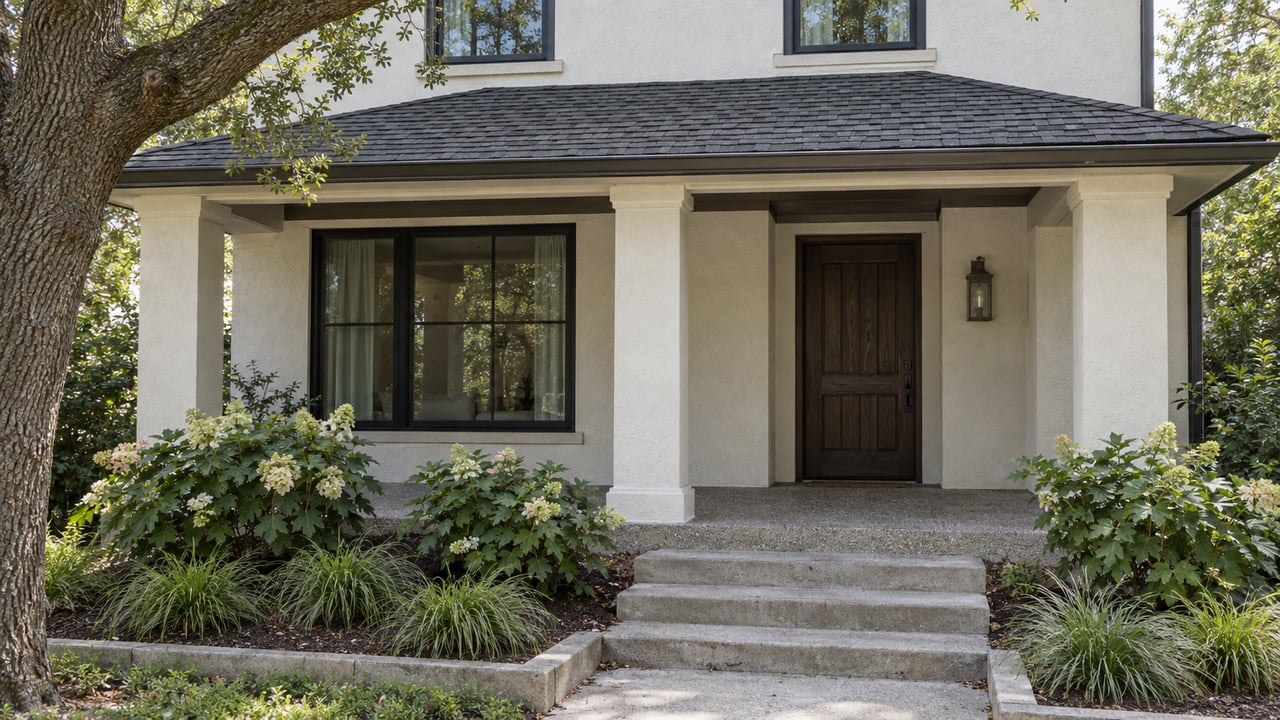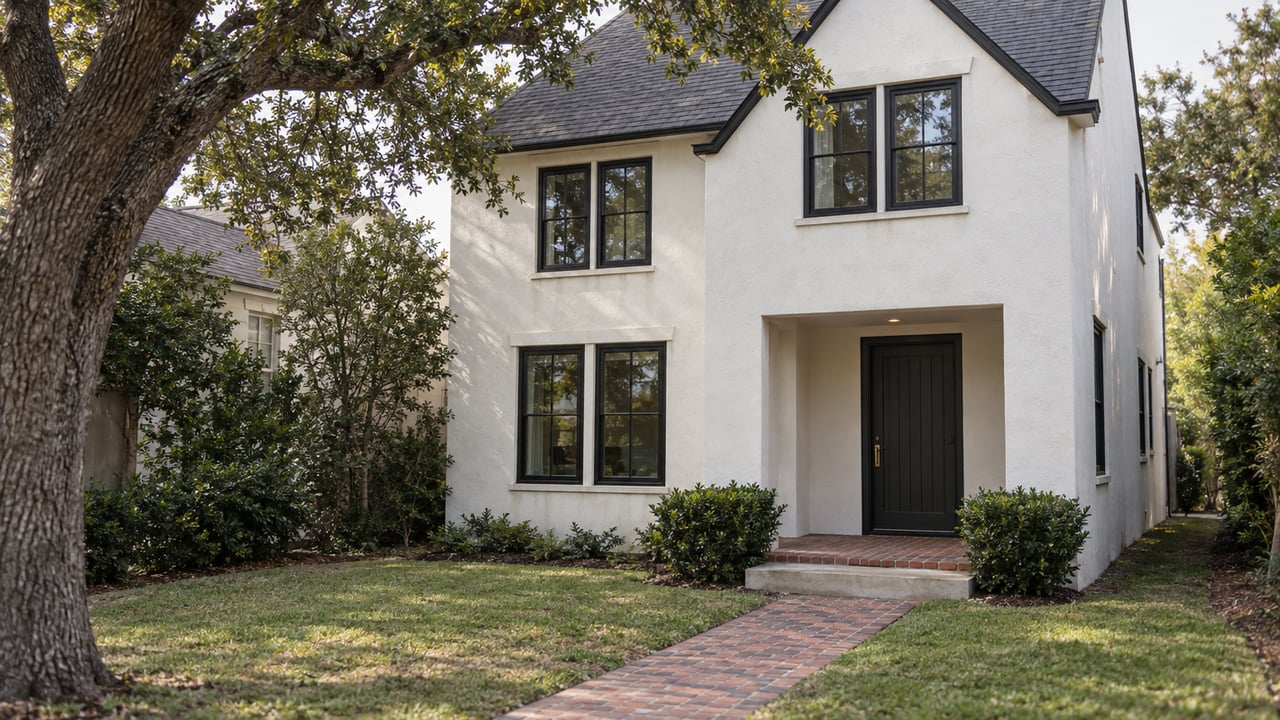
Wondering whether an HOA community around Houston is a smart fit for your next move? You are not alone. In this market, HOA dues and community rules are common, especially if you are looking at newer homes, townhomes, or condos. The good news is that once you understand what HOAs typically cover, how Texas rules work, and what to review before closing, you can make a much more confident decision. Let’s dive in.
HOA Living Is Common Around Houston
If you are shopping for a home in the Houston area, there is a good chance you will come across an HOA. In 2024, 76.8% of for-sale listings in the Houston-The Woodlands-Sugar Land metro included HOA dues. That is far above the national rate of 40.5%.
The median monthly HOA fee among Houston-area listings with dues was $67. That does not mean every community costs the same, but it does show that HOA fees are a regular part of the conversation for local buyers. In many cases, the more important question is not just what you pay, but what you get in return.
Where HOAs Show Up Most
Around Houston, HOA ownership is often the default in newer suburban communities and in attached housing. That includes many condos, townhomes, and row homes. If you are considering a newly built property, HOA dues are especially common.
By contrast, older single-family homes are generally the most likely place to find a non-HOA option. If avoiding dues is one of your top priorities, that can help narrow your search. It may also shape where and what type of property you focus on.
What HOA Dues Usually Cover
HOA dues often pay for shared services and common spaces. That can include things like common-area maintenance, neighborhood upkeep, pools, clubhouses, gyms, and other community amenities. Some communities may also use dues to support added services tied to the neighborhood’s appearance or operations.
This is why it helps to look beyond the monthly number. A lower fee may come with fewer services, while a higher fee may cover amenities or maintenance that reduce your out-of-pocket responsibilities elsewhere. The real value depends on your lifestyle, budget, and expectations.
Why Community Rules Matter
Every Texas HOA has its own governing documents. These documents may address restrictions, fines, meetings, and management procedures. In practical terms, that means the rules can vary a lot from one Houston-area community to another.
Before you buy, you will want to know how the association handles everyday issues. That might include parking, exterior maintenance, landscaping standards, holiday décor, leasing rules, or use of shared amenities. The details are community-specific, so it is important to review the actual documents rather than rely on assumptions.
Exterior Changes May Need Approval
If you like to personalize your home, this is one area to review closely. Texas law recognizes architectural review authority in subdivisions with more than 40 lots. That means exterior changes or visible improvements may need approval before work begins.
This can affect plans for items such as:
- Paint color changes
- Fences and gates
- Roof materials
- Room additions
- Patio covers
- Major landscaping changes
If an improvement request is denied, Texas law allows owners to appeal that denial to the board. Even so, it is far better to understand the process before you buy than to be surprised after closing.
Texas Law Gives Owners Important Rights
For many Houston-area subdivisions, HOAs fall under Texas Property Code Chapter 209. Condominiums are different. Condo communities are generally governed by Chapter 82 if the declaration was recorded on or after January 1, 1994.
That distinction matters because subdivision HOAs and condo associations do not always follow the same rules. If you are comparing a single-family home in a planned community with a condo in central Houston, the ownership and document review process can feel very different.
What Buyers Should Know About HOA Transparency
Texas law gives owners access to certain association records, including books and financial records. Owners may also designate an agent, attorney, or CPA to request those records. Requests must be sent by certified mail to the address listed on the current management certificate.
Board meetings must also be open to owners, with limited exceptions for executive session matters. Associations must keep written minutes, and meeting records must be made available on request. For buyers, this underscores how important meeting materials and financial records can be during due diligence.
There Is No State HOA Watchdog
One point surprises many buyers: Texas does not have a state agency that oversees HOAs or investigates homeowner complaints. If a serious dispute comes up, owners often need to consult an attorney or another qualified professional.
That makes pre-purchase review even more important. The more you understand about the association’s finances, rules, and procedures before closing, the fewer surprises you are likely to face later.
Notice Rules Before Fines or Suspensions
Texas law sets procedures before an HOA can suspend common-area use, charge for property damage, levy a fine, or report delinquency to a credit bureau. The association must send written notice by certified mail. If the issue can be cured, the owner is generally entitled to a reasonable cure period.
Owners may also request a board hearing within 30 days, and the hearing must be held within 30 days after that request. The owner may audio-record the hearing. For buyers, this means there is a legal process behind enforcement, not just informal rulemaking.
Delinquent Dues Are Serious
HOA dues may seem small compared with a mortgage payment, but they should never be treated lightly. Assessment-lien foreclosure is possible in some cases under Texas law. There are also post-sale notice requirements and a redemption right after an HOA-lien foreclosure.
The bottom line is simple: if a property has dues, build them into your monthly budget from day one. It is better to view HOA obligations as part of your total housing cost, not as an optional extra.
Condo Buyers Have Extra Documents to Review
If you are buying a condo around Houston, your due diligence path is more document-heavy. Under Chapter 82, condo associations must keep detailed financial records and other association documents. The condo resale certificate must include items such as the operating budget, assessments, reserves, insurance coverage, pending suits, and transfer fees.
Sellers must also provide the declaration, bylaws, association rules, and a current resale certificate before closing. Buyers may have a statutory cancellation right if those documents are not delivered as required. If you are choosing between a condo and a single-family home, this is one of the biggest practical differences to expect.
Key Documents To Review Before Closing
Whether you are buying in the Heights, Montrose, Midtown, Upper Kirby, Katy, Sugar Land, Pearland, The Woodlands, or elsewhere around Houston, document review matters. The most useful items are usually the ones that show how the community operates today, not just what it looked like when it was first created.
Focus on reviewing:
- Declaration or CC&Rs
- Bylaws
- Community rules
- Current budget
- Recent meeting minutes
- Reserve information, if available
- Special assessment information, if available
- Condo resale certificate, if applicable
These documents can tell you whether the association appears well-organized, whether future costs may be coming, and whether the community rules align with how you want to live.
Do Not Forget MUD Taxes
In the Houston area, HOA dues are not always the only community-related cost. Buyers should also check the property-tax bill for special district line items, including municipal utility districts, often called MUDs. These are taxing units under Texas law and can affect your monthly carrying costs.
That means a home with a modest HOA fee may still carry added costs through local taxing districts. Looking at the full picture helps you compare homes more accurately and avoid budget surprises.
How To Decide If an HOA Fits You
An HOA is not automatically good or bad. It is simply a structure that comes with benefits, obligations, and rules. The right fit depends on what matters most to you.
An HOA community may make sense if you value:
- Shared amenities
- Consistent maintenance of common areas
- Clear community standards
- Lower personal responsibility for some exterior or shared upkeep
A non-HOA option may be worth prioritizing if you want:
- Fewer recurring community fees
- More flexibility for exterior changes
- Fewer community restrictions
In Houston, that decision often comes down to trade-offs between location, property type, age of the home, and monthly cost structure.
A Smart Houston Buying Strategy
Because HOA communities are so common around Houston, it helps to go into your search with a plan. Decide early whether dues are a deal-breaker, a manageable trade-off, or something you are open to if the services make sense. That single choice can save you time and keep your search focused.
It also helps to review HOA documents with the same care you would give the home itself. A property can look perfect in photos and still come with rules or financial obligations that do not match your goals. A clear, financially grounded review can make all the difference.
If you want help comparing HOA and non-HOA options around Houston, Sharlene Abghary can help you weigh the numbers, review the trade-offs, and find a home that fits both your lifestyle and your budget.
FAQs
What should Houston homebuyers expect from HOA communities?
- Houston homebuyers should expect HOA communities to be common, especially in newer suburban neighborhoods, condos, townhomes, and row homes, with dues often covering common-area maintenance and shared amenities.
What do HOA fees usually cover in Houston-area communities?
- HOA fees in Houston-area communities commonly cover items such as neighborhood upkeep, common-area maintenance, pools, clubhouses, gyms, and other shared amenities, though coverage varies by community.
Are HOA rules different for condos and single-family homes in Texas?
- Yes, many subdivision HOAs fall under Texas Property Code Chapter 209, while condominiums are generally governed by Chapter 82, so the rules and document requirements can differ.
What HOA documents should buyers review before closing in Houston?
- Buyers should review the declaration or CC&Rs, bylaws, community rules, current budget, recent meeting minutes, and any available reserve or special assessment information, plus a resale certificate for condos.
Can Houston homeowners make exterior changes in an HOA community?
- Many Houston-area HOA communities may require prior approval for visible exterior changes or improvements, so buyers should review architectural rules before purchasing.
Should Houston buyers look at costs beyond HOA dues?
- Yes, buyers should also review the property-tax bill for special district charges such as MUD line items, since those costs can affect the total monthly cost of ownership alongside HOA dues.