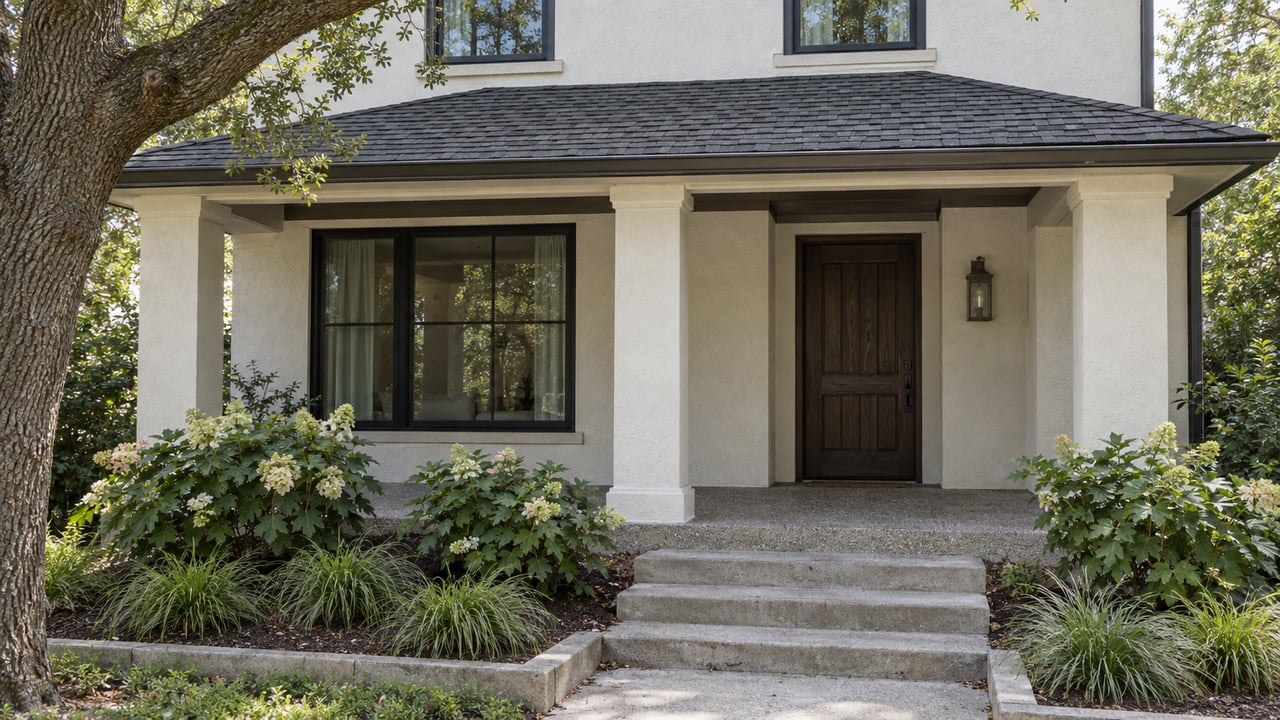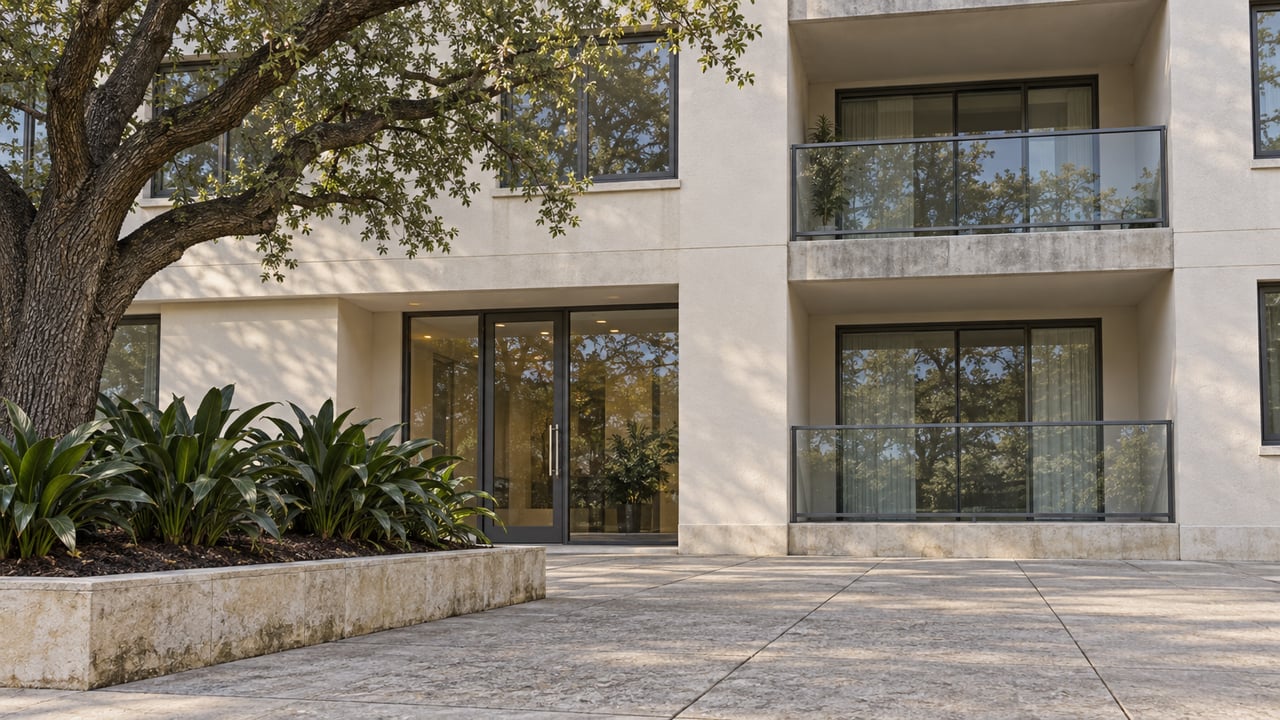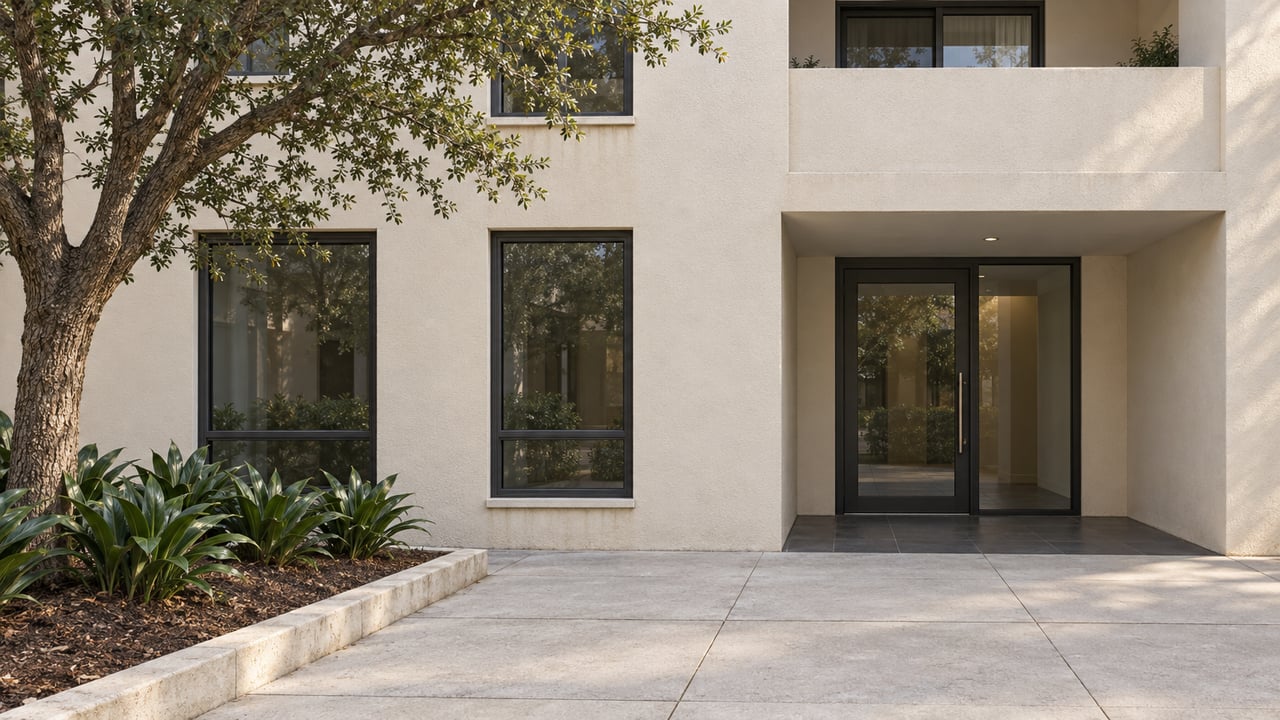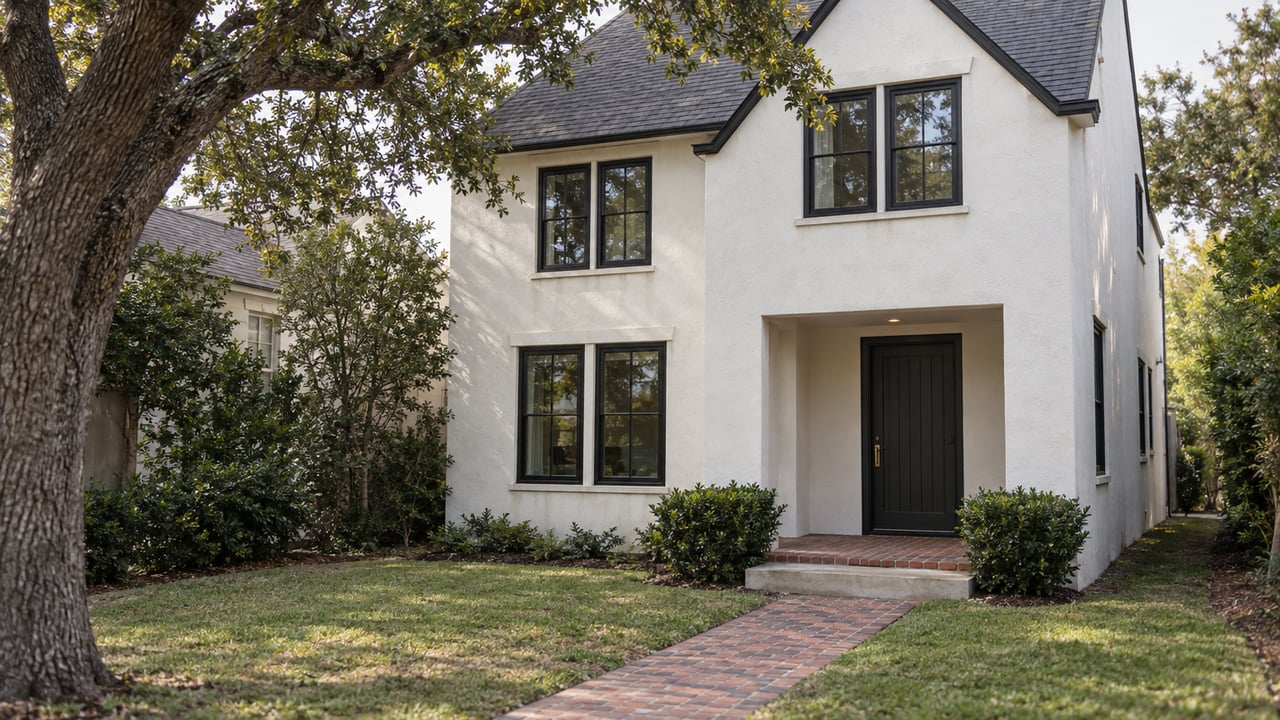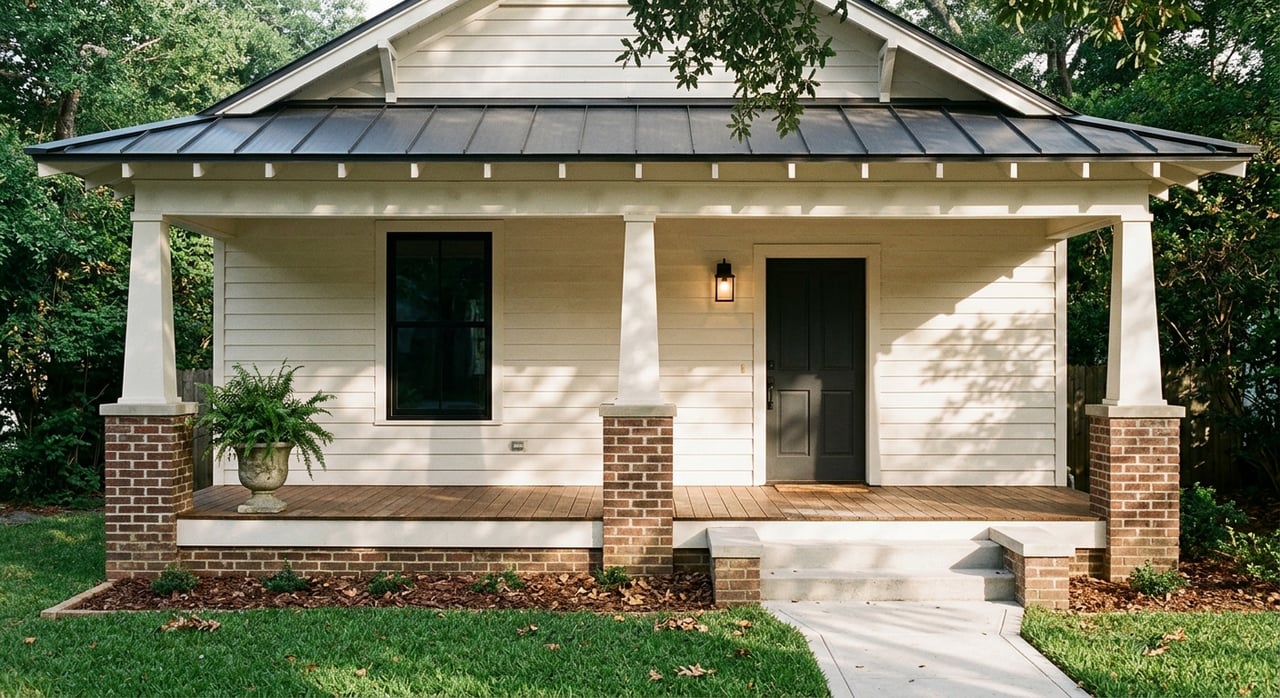
Trying to decide between a brand-new build and a historic bungalow in Houston Heights? You are not alone. This is one of the biggest questions buyers face in the neighborhood, especially because the Heights offers both modern infill homes and older character properties on the same street. In this guide, you will learn how to compare the two with more confidence, from maintenance and energy performance to preservation rules and long-term fit. Let’s dive in.
Why Houston Heights Offers Both
Houston Heights has deep roots. It was founded in 1891, incorporated in 1896, and annexed by Houston in 1918. The City describes it as Texas’ earliest planned community, and today the area includes three City-designated historic districts: West, East, and South.
That history helps explain why the neighborhood feels so layered. In one part of the Heights, you may see preserved early homes with front porches and original details. A few doors down, you may find a recently built home designed to fit the block’s scale and rhythm.
Another important piece is that Houston does not have zoning. Development is shaped by ordinance codes, subdivision rules, setbacks, plats, and related regulations instead of traditional land-use zoning districts. In the Heights, some properties may also be affected by deed restrictions or Minimum Building Line or Minimum Lot Size ordinances, which can vary block by block.
What the Current Market Means
When you compare home types, it helps to view the decision through today’s market. HAR’s June 2026 report for Heights/Greater Heights showed 5.1 months of inventory, a median sold price of $852,100, and an average of 35.5 days on market.
That tells you the market is not standing still. Even when inventory is more balanced, well-located homes in the Heights can still attract strong interest. If you are deciding between a new and historic home, it is smart to stay focused on price, condition, and inspections rather than assuming one type will always be the easier buy.
Why Buyers Choose Newer Homes
For many buyers, newer construction offers a simpler starting point. One- and two-family homes in Houston are built under the 2021 International Residential Code and the 2021 International Energy Conservation Code, with Houston amendments, effective January 1, 2024.
In practical terms, that usually means newer homes are more likely to reflect current standards for construction and energy performance. You may also be more likely to find modern mechanical systems, newer insulation, and fewer immediate repair needs than in a much older home.
The appeal is often straightforward. If you want a home that feels move-in ready and predictable from day one, newer construction can make that easier. That can be especially valuable if you want to keep early ownership costs under tighter control.
Common Benefits of New Construction
- More current code standards
- Modern HVAC, electrical, and plumbing systems
- Better insulation and energy performance in many cases
- Fewer near-term repair items at move-in
- A more streamlined ownership experience early on
That said, newer does not always mean worry-free. In the Heights, buyers should still pay close attention to builder quality, drainage, and how the home sits on the lot.
Why Buyers Choose Historic Homes
Historic Heights homes attract buyers for a different reason. They often offer architectural details that are hard to recreate, including large windows, transoms above doors, decorated gables, textured shingles or siding, bay windows, and turned or tapered porch supports.
Many of these homes are one or two stories and built on pier-and-beam foundations. Common styles in the historic districts include Queen Anne, Craftsman, Folk National, and Folk Victorian. These homes were also designed with the local climate in mind, using features like large windows and transoms to support comfort before air conditioning was widely available.
For many buyers, that character is the point. A historic Heights home can feel connected to the neighborhood’s original design and streetscape in a way that newer homes often cannot fully match.
Common Benefits of Historic Homes
- Distinct architecture and original design details
- Established streetscapes with strong neighborhood character
- Front porches, window patterns, and materials that reflect early Heights design
- A sense of connection to the area’s history
Still, charm usually comes with tradeoffs. Older homes often require more thoughtful maintenance, especially around wood trim, windows, foundations, and major systems.
Preservation Rules Matter
If you are considering a historic property, you need to understand the rules before you fall in love with a renovation idea. In Houston historic districts, exterior alterations, additions, new construction, relocation, and demolition generally require a Certificate of Appropriateness.
Ordinary maintenance and repair typically do not require the same level of review, and some minor work can be approved administratively in just a few days. Even so, exterior materials generally need to remain visually compatible with the original building.
This does not mean buying in a historic district is too difficult. It does mean you should go in with a clear plan, especially if you expect to replace windows, alter the porch, expand the footprint, or change visible exterior elements.
New Homes in Historic Areas Also Face Standards
New construction in a historic district is not a blank slate. The City says new homes should be compatible with nearby contributing structures in setbacks, exterior features, and scale or proportions, while still reflecting their own time.
That is one reason you may see newer homes in the Heights that feel more blended into the block than fully out of place. Builders often use traditional details to relate to surrounding homes, even when the house itself is clearly modern.
Energy and Efficiency Differences
Energy performance is one of the clearest differences between new and older homes. The Department of Energy notes that many older homes have less insulation than homes built today, and it recommends a home energy assessment to identify where upgrades can make the biggest difference.
That often gives newer homes an advantage. Better insulation and newer systems can support lower energy waste and fewer comfort issues, especially during Houston’s long cooling season.
Historic homes can still improve. The National Park Service notes that weatherization and efficiency upgrades can reduce energy use in historic buildings with minimal impact on historic character, including compatible storm windows, insulation in appropriate spaces, and efficient HVAC systems.
The key is balance. If you love a historic home, plan for a careful, preservation-aware approach rather than assuming you can update everything the same way you would in a newer house.
Maintenance and Ownership Costs
If you are choosing with both lifestyle and budget in mind, this is where the decision becomes more personal. A newer home may offer fewer immediate repair items, which can make your first years of ownership feel more predictable.
A historic home may ask more from you over time. Foundation movement, moisture, insulation gaps, aging windows, and HVAC condition can all affect your costs. That does not make an older home a bad investment, but it does mean you should budget with clear eyes.
A thoughtfully renovated historic home can sometimes offer the best middle ground. If major systems have been updated and the work is well documented, you may get much of the character you want with fewer near-term surprises.
What to Check Before You Make an Offer
A good comparison goes beyond looks. Before writing an offer on either a new or historic home in Houston Heights, verify the rule set tied to that specific address.
Confirm Property Restrictions
Check whether the property is:
- Inside a City historic district
- Subject to deed restrictions
- Covered by a Minimum Building Line ordinance
- Covered by a Minimum Lot Size ordinance
These rules can vary from block to block in the Heights, so address-level confirmation matters.
Review Permits and Renovation History
Ask for documentation for:
- Additions
- Exterior changes
- Foundation work
- Roof replacement
- Garage or carport changes
- Prior Certificates of Appropriateness, if applicable
This step is especially important for renovated older homes. Good documentation can tell you a lot about how carefully the work was handled.
Focus the Inspection on Real Cost Drivers
For newer homes, pay close attention to:
- Builder quality
- Drainage
- Site placement and lot fit
For older homes, focus on:
- Foundation movement
- Moisture issues
- Insulation and air sealing
- Window condition
- HVAC age and performance
- Whether major systems have been updated
Check Flood and Insurance Early
Flood and insurance review should happen early, not at the end. Use the address-specific flood hazard tools available through FEMA, and remember that the Houston Permitting Center notes flood insurance has a 30-day waiting period before it becomes effective.
That waiting period alone is a good reason not to delay. If flood risk affects your decision, it is better to know before you are deep into the process.
How to Choose the Right Fit
If your top priority is current-code systems, easier day-one ownership, and fewer immediate repairs, a newer home may be the better fit. If your top priority is architectural character, porch presence, historic details, and a streetscape rooted in early Heights design, a historic home may be worth the added responsibility.
This is where a financially grounded approach helps. The right answer is not just about what looks best in photos. It is about how the property fits your budget, maintenance tolerance, renovation goals, and long-term plans.
In Houston Heights, both paths can be smart. The best choice is the one that matches how you want to live and what you want your ownership experience to feel like.
If you are weighing newer construction against a historic home in the Heights, Sharlene Abghary can help you compare the tradeoffs, review the details that affect long-term value, and move forward with a clear strategy.
FAQs
What makes historic homes in Houston Heights different from newer homes?
- Historic Heights homes often feature original architecture like large windows, transoms, porches, decorated gables, and pier-and-beam foundations, while newer homes are more likely to offer modern systems, updated energy performance, and fewer immediate repair needs.
Are all Houston Heights homes in a historic district?
- No. Houston Heights includes three City-designated historic districts, but not every property in the area is inside one. Some homes may also be affected by deed restrictions or other local ordinances that vary by block.
Do historic district homes in Houston Heights require approval for exterior work?
- In many cases, yes. Exterior alterations, additions, new construction, relocation, and demolition in a historic district generally require a Certificate of Appropriateness, while ordinary maintenance and repair typically do not.
Is new construction in Houston Heights easier to maintain?
- Often, yes. Newer homes are usually the simpler option for buyers who want modern mechanical systems, better insulation, and fewer repair items right after closing.
What should buyers inspect in an older Houston Heights home?
- Buyers should pay close attention to foundation movement, moisture, insulation, air sealing, window condition, HVAC performance, and whether major systems have been updated.
How competitive is the Houston Heights housing market?
- HAR’s June 2026 report for Heights/Greater Heights showed 5.1 months of inventory, a median sold price of $852,100, and an average of 35.5 days on market, which means buyers should still stay disciplined on pricing and inspections.