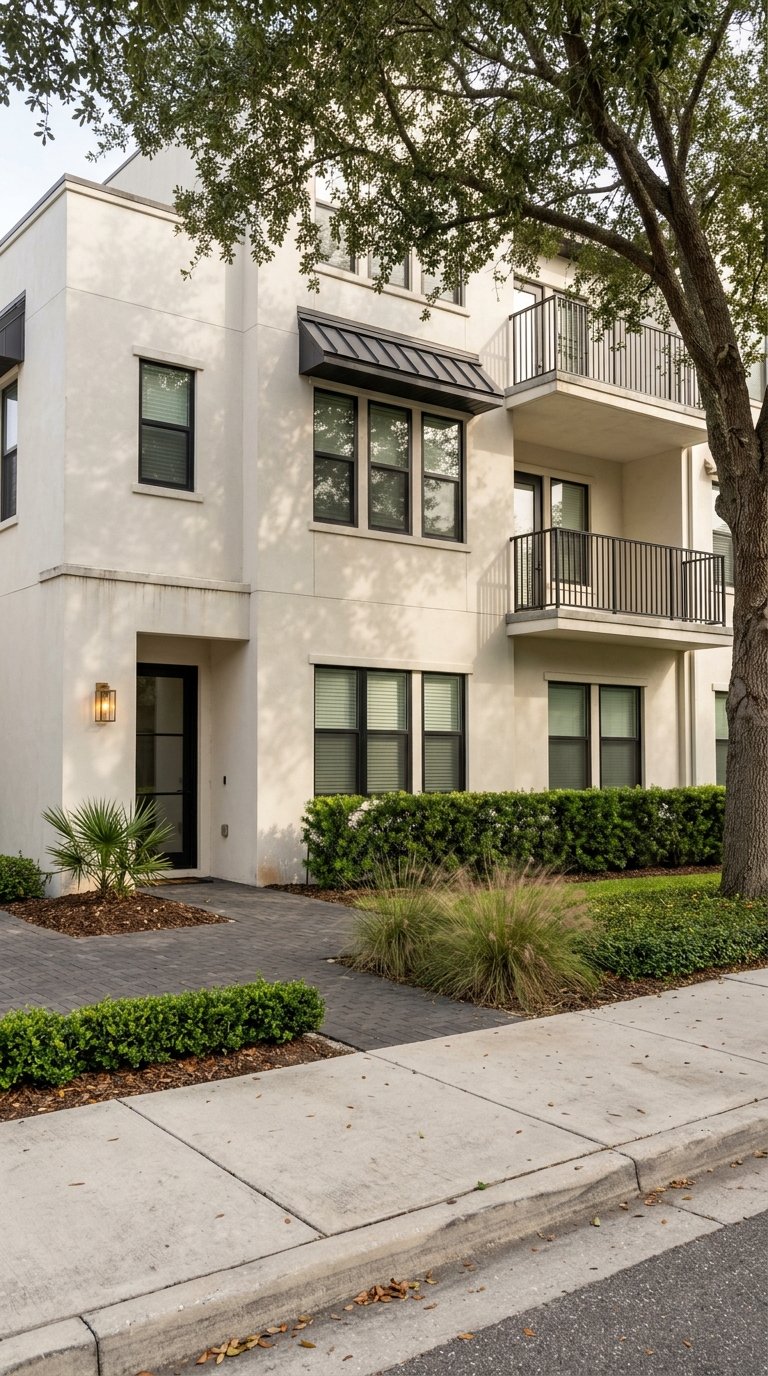
If you are buying in central Houston, it is easy to get distracted by finishes, staging, and what feels new right now. But long-term value in Upper Kirby usually comes down to something more durable: location, access, and how the area fits into Houston’s larger economic map. If you want to make a smarter decision for both lifestyle and resale potential, it helps to look at the neighborhood through that lens. Let’s dive in.
Why Upper Kirby Holds Attention
Upper Kirby sits inside Houston’s 610 Loop in southwest Houston, in a central area tied to major destinations and job centers. The City of Houston’s overview of the surrounding super neighborhood connects Upper Kirby with River Oaks, Afton Oaks, and Greenway Plaza, which helps explain why this pocket stays relevant over time.
That context matters because long-term value is rarely driven by one listing or one block alone. In Upper Kirby, value is shaped by a network of employment, retail, parks, and central-city convenience that continues to attract both homeowners and investors.
Start With Location Durability
When you think about long-term value, the first question is simple: what here will still matter years from now? In Upper Kirby, the strongest anchors are not trend-based. They are structural.
The city describes the area as roughly bounded by Westheimer, Kirby, Bissonnet, and US 59, with Greenway Plaza, the Upper Kirby District, and Highland Village serving as major draws. Greenway Plaza is especially important because the city identifies it as a master-planned mixed-use development with more than 50 acres of frontage on Highway 59 and 4.25 million square feet of Class A office space.
That kind of office and mixed-use concentration supports daily demand for nearby housing. Even as buyer preferences shift, homes with strong access to employment centers often remain more resilient than homes that depend on a single trend or short-lived wave of demand.
Look Beyond the House Itself
A common mistake is treating a home as the whole investment story. In Upper Kirby, the better approach is to separate the structure from the land and the location.
The city notes that neighborhoods around the Greenway Plaza and Upper Kirby corridor were built primarily in the 1940s and 1950s, often with large ranch homes. It also notes that proximity to shopping, employment centers, and entertainment venues has helped keep these areas in high demand. That suggests long-term value is often tied as much to lot utility and central positioning as to the original home itself.
In plain terms, finishes can be updated. Floor plans can sometimes be improved. But a central address near major job centers and daily amenities is much harder to replicate.
Housing Mix Changes the Value Story
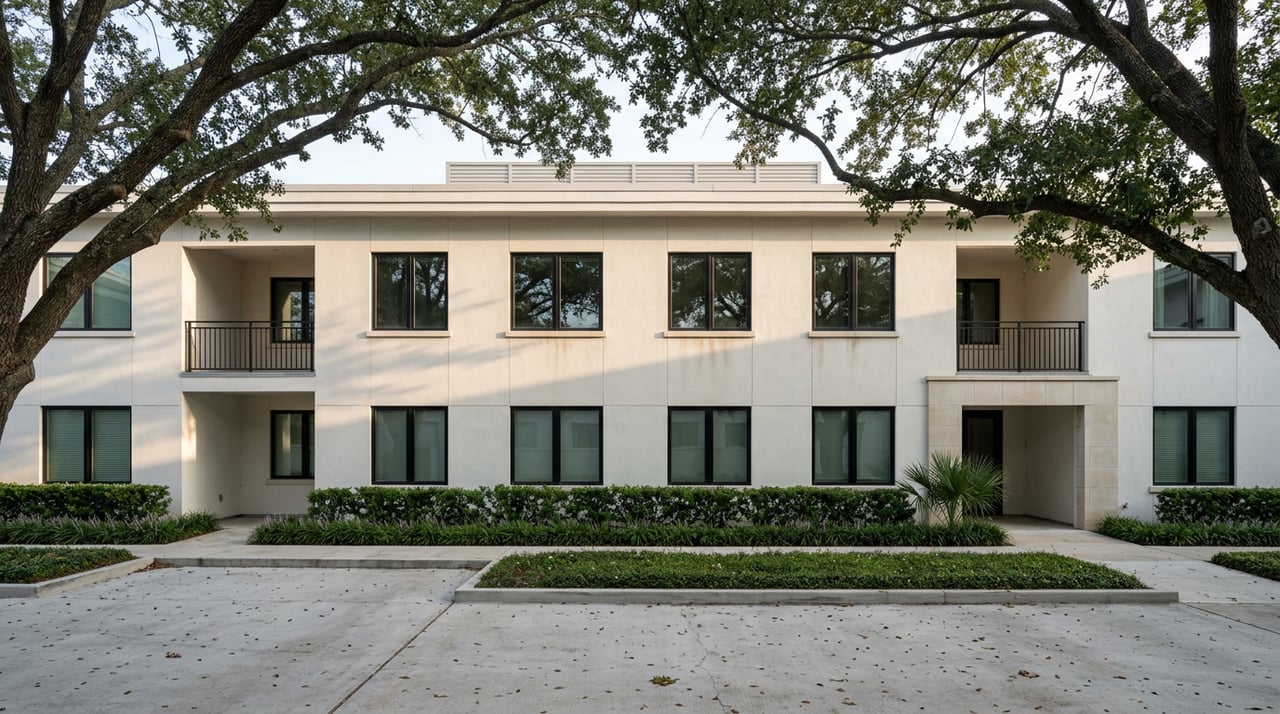
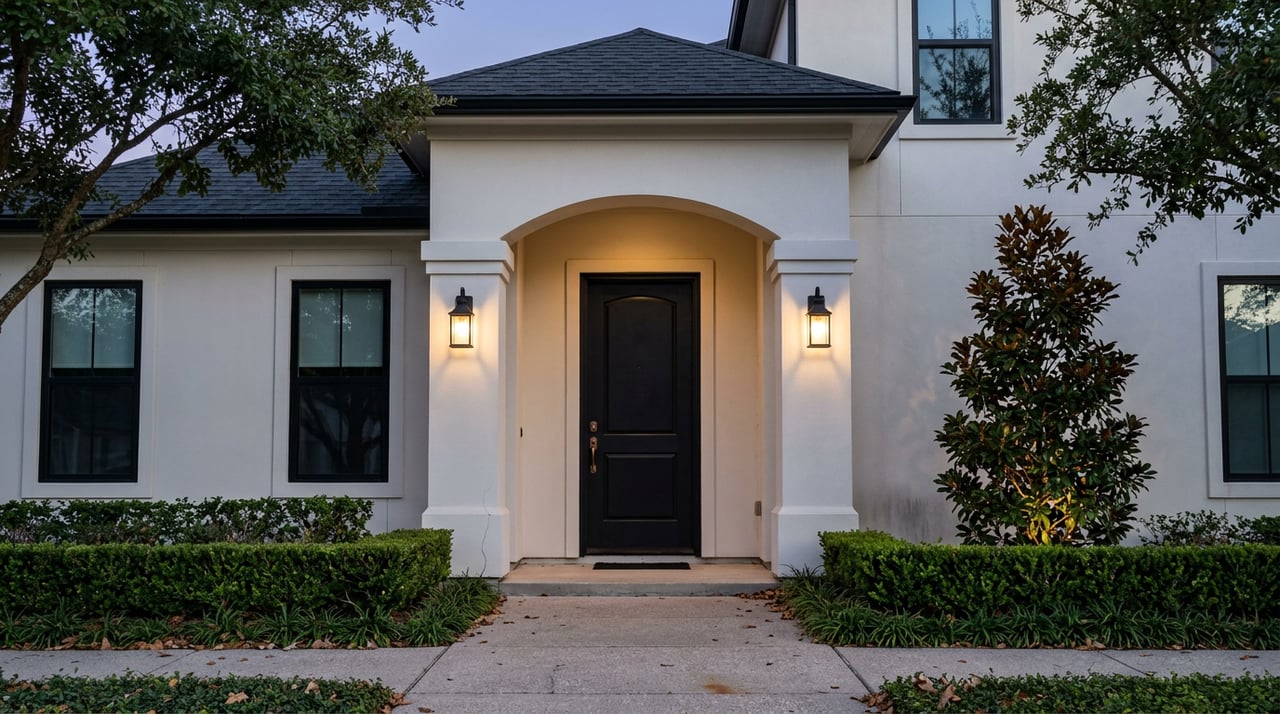
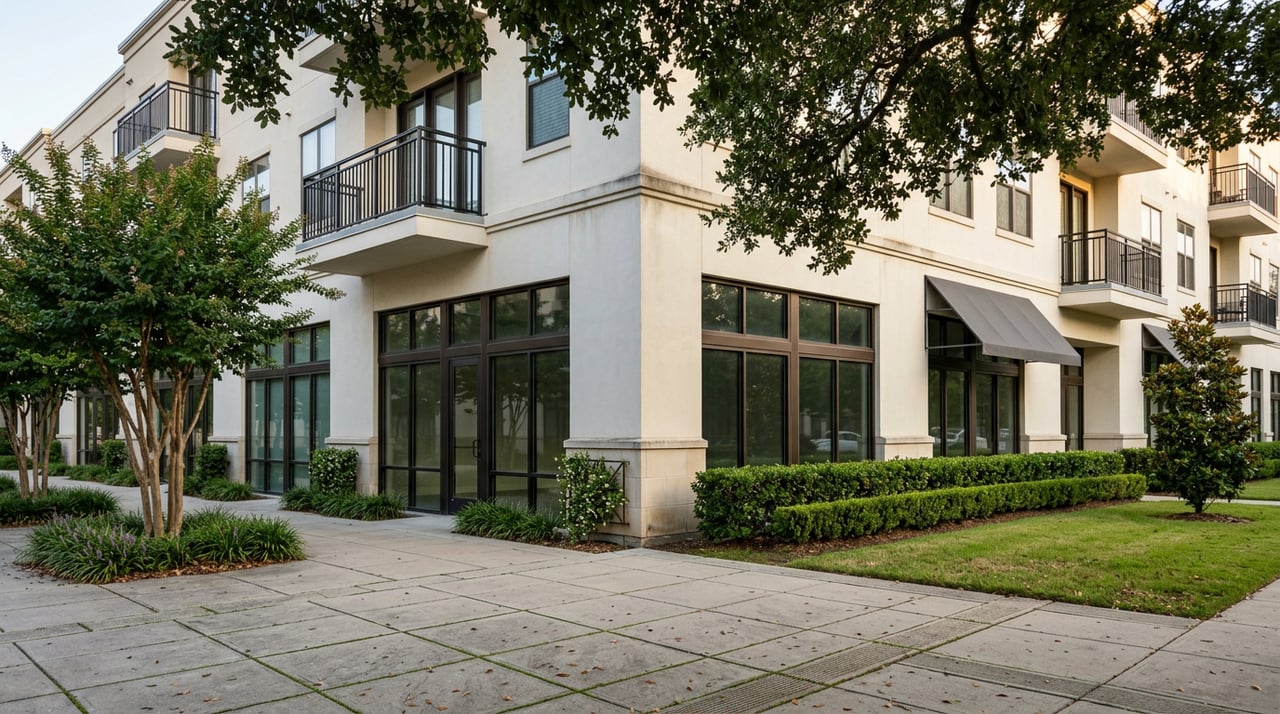
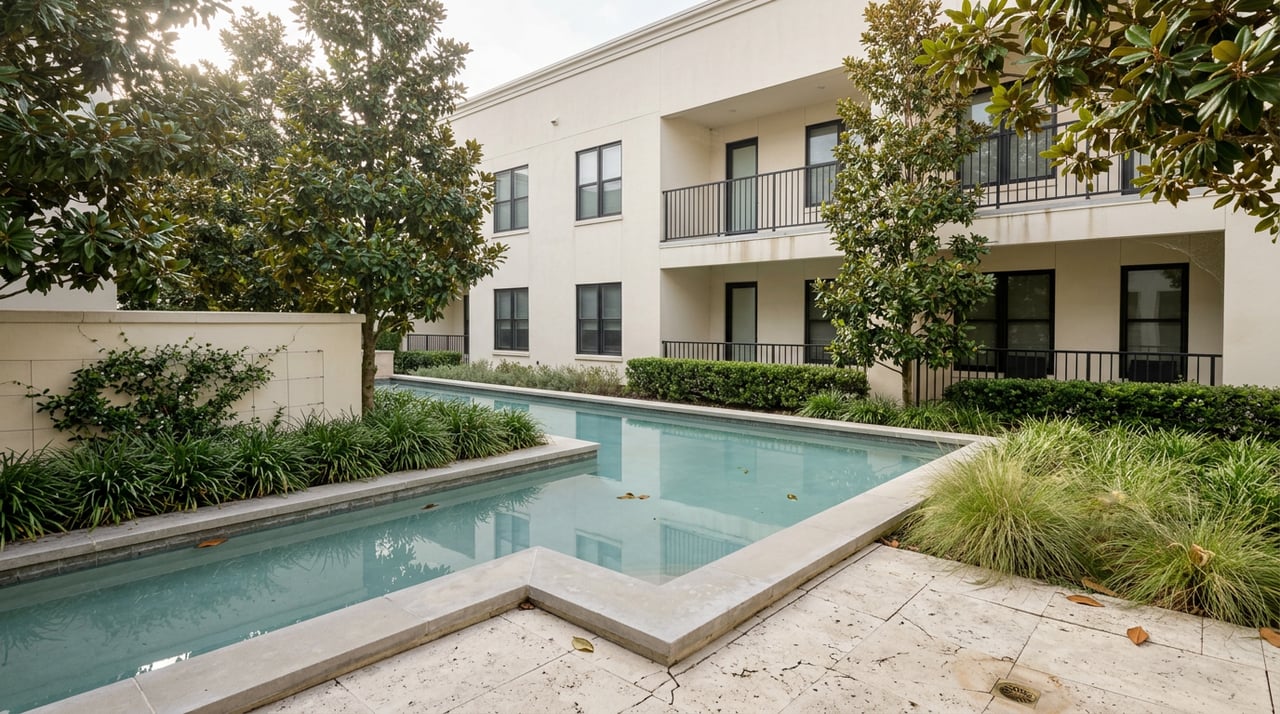
Upper Kirby is not a one-product neighborhood, and that is important when you compare properties. According to HAR’s Upper Kirby market area page, the area includes apartments, condos, and single-family homes.
That mixed housing stock means you should avoid broad assumptions. A condo, a townhome-style property, and a detached home may all benefit from the same location, but they can have very different maintenance profiles, buyer pools, and resale paths.
For long-term planning, the right question is not just “Is Upper Kirby valuable?” It is “How does this specific property type perform within Upper Kirby?” That is a more useful framework for both buyers and investors.
Price Per Square Foot Tells More
Headline prices can be misleading in a mixed-product market. Price per square foot often gives you a clearer way to track long-term movement because it helps normalize differences in home size.
HAR’s latest snapshot for Upper Kirby shows 54 homes for sale, an average list price of $1,013,436, an average home size of 2,647 square feet, 25 homes for lease, and an average rent of $4,432. The same data shows the area’s median sold price per square foot rising from 159.49 in 2009 to 284.75 in 2024, which works out to about 78.5% total growth over that period, or roughly 3.94% compounded annually.
That trend is not the profile of a short-term speculative market. It points to measured, steady compounding, which is often what long-term buyers want from a central Houston location.
Compare Upper Kirby the Right Way
Upper Kirby also makes more sense when you view it beside nearby premium enclaves. According to HAR pricing trends for West University Place, West University Place shows a median market value of $2,108,596 and a median sold price per square foot of $555.05. River Oaks shows a median market value of $3,339,447 and a median sold price per square foot of $633.87.
Those nearby numbers help illustrate an important point about central Houston. Neighborhood identity, lot size, and product type can matter just as much as interior finishes. In fact, based on those same HAR figures, River Oaks is about 14% above West University Place on sold price per square foot.
That does not mean Upper Kirby should be judged against those neighborhoods as if they are interchangeable. It means adjacent high-value enclaves help reinforce the broader appeal of this central corridor, while also reminding you that the specific property and its land characteristics matter a great deal.
Employment Access Supports Demand
Long-term value tends to follow daily usefulness. Upper Kirby benefits from access to more than one major employment and activity node, which broadens its demand base.
Rice University is nearby at 6100 Main Street in southwest central Houston, across from the Texas Medical Center and close to downtown, the Museum District, Rice Village, and Hermann Park. That concentration of institutions, jobs, and activity supports continued housing demand from a range of buyers and renters.
When a neighborhood connects well to multiple destinations instead of just one, it often holds up better over time. That kind of access gives buyers more flexibility in how they live, commute, and eventually market the home for resale.
Parks and Daily Livability Matter
Long-term value is not only about economics. It is also about whether people want to keep living in the area year after year.
Upper Kirby benefits from strong amenity density for a central Houston submarket. Levy Park is a 6-acre public park in the heart of Upper Kirby, and the city’s broader central area also benefits from major greenspace such as Buffalo Bayou Park, which spans 160 acres west of downtown. These kinds of public spaces support daily livability and help older central neighborhoods remain relevant.
For buyers, this matters because convenience is not just about commute time. It also includes where you can spend time outdoors, meet friends, and enjoy neighborhood amenities without leaving your core area.
Public Reinvestment Is a Good Sign
Another useful lens for long-term value is whether public entities continue investing in the area. That does not guarantee future pricing, but it does show that the district is seen as important enough to support with infrastructure and mobility improvements.
The City of Houston’s Upper Kirby TIRZ page says the TIRZ was created to help finance improvements related to traffic congestion, deficient infrastructure, stormwater systems, the secondary street network, pedestrian safety, and underused parkland. Those are not cosmetic issues. They directly affect how a neighborhood functions over time.
The city’s Upper Kirby livable-centers planning context also identifies the future Kirby Station on the University light rail line as part of the district’s long-range story. Even if your daily routine does not depend on transit today, future transportation options can add flexibility and reinforce central-city appeal.
Inventory and Lease Activity Offer Clues
You can also learn a lot from how active the market is. Too little turnover can make pricing hard to read, while too much supply can weaken a neighborhood’s uniqueness.
Upper Kirby’s current HAR snapshot shows 54 homes for sale and 25 homes for lease. That suggests enough activity to generate useful comparables, while still reflecting the tighter feel you often see in established inner-loop markets.
The presence of both sale and lease inventory also points to different demand channels. That matters if you are buying with future optionality in mind, whether that means a later resale, a possible lease strategy, or simply wanting confidence that the area serves more than one kind of buyer.
Do Not Ignore Carrying Costs
Long-term value is not just about appreciation. It is also about what it costs you to hold the property.
HAR neighborhood pages for nearby areas show that property taxes can materially affect returns. Based on the rates listed on those pages, the sample combined rate is about 1.82% in West University Place and 2.09% in River Oaks, before parcel-specific adjustments. Exact tax bills vary by property, but recurring costs like taxes, maintenance, insurance, and updates should always be part of your decision.
This is where a financially minded approach can help. A home with strong appreciation potential can still feel less attractive if the carrying costs stretch your budget or limit your flexibility later.
A Smarter Way to Evaluate a Property
If you are trying to judge long-term value in Upper Kirby, focus on what is durable and hard to replace. That usually gives you a clearer answer than a quick reaction to finishes or marketing.
Here are a few smart questions to ask:
- How strong is the property’s access to Greenway Plaza, Rice University, the Texas Medical Center, and other major destinations?
- Is the property type aligned with your goals: primary residence, future rental, or long-term hold?
- How does the lot, layout, or renovation quality compare with competing homes in the same central location?
- What are the likely carrying costs, including taxes, maintenance, and future updates?
- Does the home benefit from the area’s parks, public reinvestment, and transportation planning context?
In many cases, the strongest long-term value case comes from a property that combines central location, practical livability, and enough flexibility to compete well over time.
The Bottom Line on Upper Kirby
Upper Kirby tends to reward buyers who think beyond short-term price moves. Its long-term value story is tied to central location, proximity to major employment centers, a mix of housing options, strong amenity access, and public reinvestment that supports the area’s future.
If you want to buy with both lifestyle and financial clarity in mind, it helps to evaluate each property through that broader framework. If you would like a tailored, data-informed conversation about buying, selling, or investing in Upper Kirby, Sharlene Abghary can help you think through the numbers, the neighborhood, and the strategy.
FAQs
What drives long-term value in Upper Kirby?
- Long-term value in Upper Kirby is mainly shaped by central location, access to job centers like Greenway Plaza and nearby institutional anchors, mixed housing options, parks, and public reinvestment.
How should buyers compare homes in Upper Kirby?
- Buyers should compare homes in Upper Kirby by property type, price per square foot, lot utility, carrying costs, and access to major destinations rather than by headline price alone.
Is price per square foot important in Upper Kirby?
- Yes, price per square foot is especially helpful in Upper Kirby because the area includes condos, apartments, and single-family homes, so it gives you a more normalized way to track value trends.
How do nearby neighborhoods affect Upper Kirby value?
- Nearby neighborhoods like West University Place and River Oaks provide context for how central Houston values land, location, and neighborhood identity, which helps frame Upper Kirby’s position in the market.
Why do parks and infrastructure matter in Upper Kirby?
- Parks and infrastructure matter in Upper Kirby because they improve daily livability, mobility, and neighborhood function, all of which can support long-term buyer demand and value resilience.