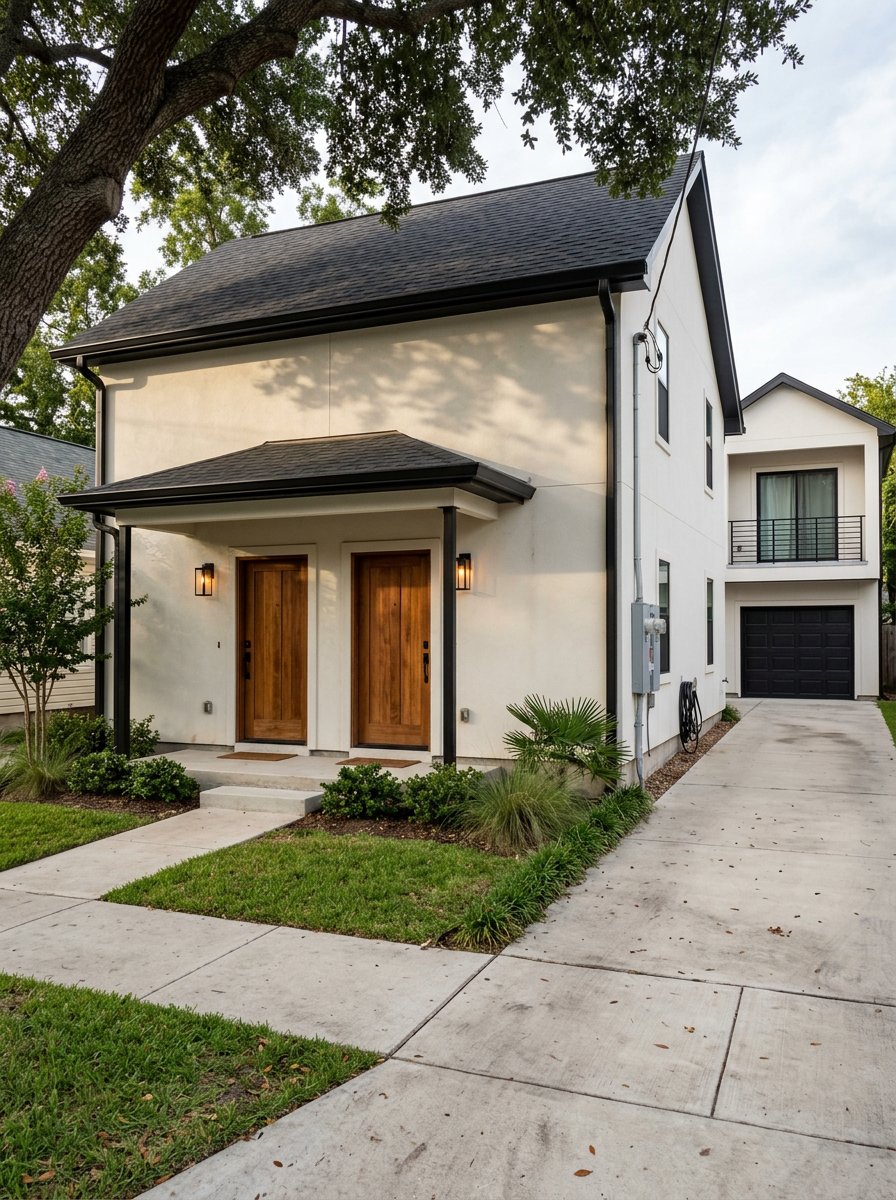
Looking at a small investment in Houston Heights but unsure how to size it up quickly and confidently? You’re not alone. Between deed restrictions, historic rules, flood risk, and shifting rents, it can be hard to know what truly pencils. This guide gives you a clear, data-first workflow tailored to the Heights so you can screen opportunities, avoid costly surprises, and underwrite with confidence. Let’s dive in.
Houston Heights at a glance
Greater Heights sits inside the I‑610 loop northwest of Downtown and includes the historic Houston Heights core and nearby pockets. You can confirm boundaries and civic resources through the City of Houston’s Super Neighborhood page for Greater Heights. The neighborhood blends historic homes, modern infill, and small multifamily along key corridors, which creates a range of price points and property types. That variety is great for choice, but it means careful property-by-property evaluation matters.
On pricing, neighborhood indices and recent reports place typical Greater Heights home values near the $600,000 range as of early 2026. Rental listings show one-bedroom asking rents often in the mid-$1,500s to low-$1,900s, with two- and three-bedrooms higher depending on condition and location. For cap-rate context, Houston’s broader multifamily market averaged roughly the high‑5 to mid‑6 percent range in Q4 2025, according to a citywide report. Use that as a backdrop while remembering that small assets in the Heights can trade with wider variance.
- City background and contacts: Greater Heights Super Neighborhood
- Market cap-rate context: Q4 2025 Houston multifamily report
What counts as a small investment here
Common property types
- Garage apartments and carriage houses. These detached or above‑garage units are part of Heights history and can create supplemental income when legally rentable.
- Single‑family with an accessory dwelling unit (ADU) or interior conversion. Think attic, basement, or rear-living conversions that have separate entries and kitchens when properly permitted.
- Duplexes and small two‑to‑four unit buildings. Some are purpose‑built; others are historic conversions.
- Small multifamily (4–20 units). Less common in the historic core, more likely on larger lots or along corridors.
Know the rules before you buy
“No zoning” doesn’t mean anything goes
Houston does not have conventional citywide Euclidean zoning. Use, density, and exterior changes are governed by city code, platting, private deed restrictions, and overlay districts such as historic districts. In the Heights, many blocks carry recorded deed restrictions that can limit unit counts or rentals, and designated historic districts require design review for exterior work. Always verify recorded covenants and overlays before modeling an ADU or conversion.
- Deed restrictions and recorded documents: Harris County Clerk public records
- Historic district design guidance: Houston Heights Design Guidelines
ADUs: promising, but verify first
The City of Houston has promoted ADU designs and offers guidance and pre-reviewed plan resources that can speed preparation. That said, private deed restrictions and historic-district rules can override what the city might otherwise permit. If your investment thesis relies on adding or renting an ADU, confirm deed restrictions, overlay controls, and the permitting path before you count the income.
- City ADU resources and permitting guidance: Planning Department ADU overview
Permits, inspections, and Certificates of Occupancy
Adding a sleeping area, kitchen, or bathroom usually triggers electrical, plumbing, and mechanical permits and may require a Certificate of Occupancy change when creating a new unit. When you evaluate a duplex, ADU, or prior conversion, pull permit history and look for open code cases. Unpermitted work can lead to costly remediation, so build time and budget for curing issues into your underwriting when needed.
Step-by-step evaluation workflow
Step 0: Define your investment hypothesis
Decide whether this is a long-hold cash-flow purchase, a value‑add renovation, an owner‑occupier with income from an ADU, or a small multifamily buy. Your acceptable cap rate, cash-on-cash target, and renovation budget follow from that choice. Align your hold period and exit assumptions before you run numbers. Then screen deals that fit your strategy.
Step 1: Quick public screens (5–10 minutes)
- Confirm location context and contacts on the City’s page for Super Neighborhood 15: Greater Heights.
- Pull the parcel on the Harris Central Appraisal District (HCAD) site for lot data, improvement area, recorded unit count, and tax history: HCAD parcel search.
- Search Harris County Clerk public records for deed restrictions, plats, and any CC&Rs that might limit unit counts or rentals: Clerk real-property records.
- Run the address in FEMA’s Flood Map Service Center to check flood zones and historical flood footprints: FEMA Flood Map Service Center.
If any of these checks raise red flags, pause and adjust your plan or move on.
Step 2: Rent comps and expense inputs
Build market rent lines by unit size and condition using current neighborhood listings and recent leases. For garage apartments and ADUs, compare similarly small, separate-entry units within about a mile. As of early 2026, one‑bedroom asking rents in Greater Heights commonly range from the mid‑$1,500s to the low‑$1,900s, with significant variation by finish level and private entry.
Collect expense inputs early:
- Property taxes from HCAD and the relevant taxing entities.
- Insurance quotes, including flood if the property sits in or near a mapped flood zone.
- Utilities responsibility and meter setup to clarify what you or tenants will pay.
- Management assumptions. For single‑family rentals, 8–12 percent is a common range for third‑party management; small multifamily can be lower on a percentage basis if self-managed.
- Maintenance, repairs, and capital reserves. A placeholder of 5–10 percent of rents is a common starting input, then refine after inspections.
Step 3: Quick math to screen deals
- Gross scheduled rent = sum of market rents for all units.
- Vacancy allowance (for example, 5–10 percent) yields your Effective Gross Income (EGI).
- Net Operating Income (NOI) = EGI minus operating expenses (exclude debt service).
- Cap rate = NOI divided by purchase price.
- Gross Rent Multiplier (GRM) = purchase price divided by annual gross scheduled rent.
- Cash‑on‑cash return = (NOI − annual debt service) divided by cash invested.
For market context, Houston’s broader multifamily cap rates averaged in the high‑5 to mid‑6 percent range in Q4 2025. Small properties in the Heights can trade tighter or wider depending on condition, unit mix, and location, so use the citywide range as a backdrop, not a target.
- Cap-rate context: Q4 2025 Houston multifamily report
Step 4: Due diligence that can make or break a deal
- Title and deed restrictions. Confirm whether CC&Rs limit rentals, require approvals, or restrict unit counts: Harris County Clerk public records.
- Permit history and code status. Validate whether past additions were permitted and whether any code cases remain open: City ADU and permitting overview.
- Physical inspections. In older Heights homes, pay special attention to foundations (often pier‑and‑beam), plumbing stacks and sewer laterals, electrical service upgrades, roof age, and pest/termite history. For perspective on older-home construction issues, review expert guidance on common framing and system considerations.
- Flood exposure and insurance. Use FEMA maps to confirm risk; flood risk changes insurance costs and marketability: FEMA Flood Map Service Center.
Helpful background on older-home build issues: Considerations for older-home framing
Renovation and value‑add tips
Budget for code triggers and systems
Creating or legalizing a separate unit usually triggers electrical, plumbing, and mechanical permits and can require a Certificate of Occupancy change. Budget for panel upgrades, rewiring legacy systems, replacing aging plumbing stacks and sewer laterals, and addressing foundation or crawlspace issues common in historic structures. Get contractor bids tied to a clear scope and schedule before you finalize your pro forma.
ADU or conversion feasibility
ADUs can improve cash flow substantially, especially for owner‑occupants. The City’s ADU resources and pre‑reviewed plans can streamline design preparation, but they do not override deed restrictions or historic‑district requirements. Confirm CC&Rs, historic overlay status, and the path to permits early, then model separate market rent and cost lines for the ADU to see if the yield clears your target.
- City ADU resources: Planning Department ADU overview
Stormwater and site considerations
If you add impervious area or a new structure, review stormwater and lot-grading requirements. Some plats or overlay rules can require on‑site mitigation. Coordinate with your designer and permitting team so drainage plans and any mitigation are priced into the budget.
Returns, holding, and exit planning
Buy‑and‑hold cash flow
Target properties where the stabilized cap rate and cash-on-cash return meet your thresholds based on realistic market rents and expenses. Strong tenant screening and clear lease terms help reduce turnover and maintenance surprises. For exit planning, remember that cap rates for small assets can deviate from institutional averages.
Value‑add and forced appreciation
Renovating kitchens and baths, legalizing an existing unit, or adding a permitted ADU can boost both income and value. Focus on improvements that add rentable square footage or enable a higher unit mix. Verify legal feasibility first, then align timelines so you do not carry unexpected vacancy.
Owner‑occupied with income ADU
Living in the main home while renting a garage apartment or ADU can improve mortgage coverage and reduce vacancy risk. Confirm that recorded covenants allow the rental and that the unit meets permitting and safety requirements. Model realistic rent, utility splits, and management responsibilities to keep operations smooth.
Taxes and depreciation basics
Under current federal rules, residential rental buildings are depreciated over 27.5 years, which affects taxable income. For sales, discuss capital gains, potential 1031 exchanges, and basis tracking with a qualified tax advisor. A high-level overview can help you frame questions before you speak with a CPA.
- Overview of rental property depreciation concepts: IRS Publication 527 summary
Common pitfalls to avoid
- Assuming “no zoning” means anything goes. In the Heights, deed restrictions and historic overlays often control unit counts and design. Verify before you assume an ADU or duplex will be allowed.
- Skipping permit history checks. Unpermitted work can force demolition or expensive cures. Always check for open permits and code cases.
- Underestimating flood exposure and insurance. Use FEMA maps and get flood quotes early if the property sits in or near a mapped zone.
- Misreading cap-rate dynamics. In late‑2025, Houston’s averages sat near the high‑5 to mid‑6 percent range, but small assets trade with wider variance. Underwrite conservatively and set a realistic exit cap.
Resources to bookmark:
- Neighborhood background: Greater Heights Super Neighborhood
- Deed restrictions and plats: Harris County Clerk records
- Flood risk: FEMA Flood Map Service Center
- Market context: Q4 2025 Houston multifamily report
10‑minute screening checklist
- Confirm Greater Heights location and context on the City’s Super Neighborhood page.
- Pull HCAD for lot size, building area, recorded unit count, and tax history.
- Check County Clerk records for deed restrictions and any recorded limitations on rentals or unit counts.
- Run FEMA flood maps and note whether flood insurance is likely.
- Estimate market rents by unit size and condition using current neighborhood listings.
- Build a quick expense stack: taxes, insurance, utilities, management, maintenance, reserves.
- Run cap rate, GRM, and cash‑on‑cash to see if the deal clears your hurdle.
- If it looks promising, order inspections focused on foundation, plumbing, electrical, roof, and pests; then verify permits and any open code items.
If you want a second set of eyes on a Heights opportunity, you can lean on a team that blends neighborhood knowledge with investment-grade analysis. For a data-backed read on your next purchase, schedule a free consultation with Sharlene Abghary.
FAQs
What is a realistic cap rate for small rentals in Houston Heights in 2026?
- Houston’s broader multifamily market averaged about the high‑5 to mid‑6 percent range in Q4 2025, but small Heights assets can trade tighter or wider based on condition, unit mix, and location. Underwrite conservatively and use the citywide average as context, not a target.
How do deed restrictions affect ADUs and duplexes in the Heights?
- Recorded covenants can regulate unit counts or rentals and may require approvals; designated historic districts add design review for exterior work. Always search the Harris County Clerk records and consult the Houston Heights Design Guidelines before assuming feasibility.
What flood risks should Heights investors check before buying?
- Run the address in the FEMA Flood Map Service Center to see if it lies in a 100‑year or 500‑year zone or near historical flood footprints. If flood exposure exists, get a flood-insurance quote and include mitigation costs in your pro forma.
What are typical one‑bedroom rents in Greater Heights right now?
- As of early 2026, one‑bedroom asking rents commonly range from the mid‑$1,500s to the low‑$1,900s, varying with unit quality, private entry, and on‑site amenities. Always confirm with current neighborhood listings before you finalize numbers.
Which public tools help verify taxes, permits, and ownership constraints?
- Use HCAD for parcel data and tax history, the City’s planning resources for permits and ADU guidance, and the Harris County Clerk for deed restrictions and plats; check FEMA for flood status.