Thinking about selling in Houston Heights and wondering how to price and present your home so it stands out? You are not alone. With buyer interest staying strong, a smart pricing strategy and polished presentation can make a real difference in your time on market and your final net. In this guide, you will learn how to set a data-backed list price, tailor staging to your home’s style, and navigate historic-district rules that can impact your timeline. Let’s dive in.
The Heights market right now
As of the February 2026 update, Heights/Greater Heights was a seller’s market with about 3.6 months of inventory and average days on market near 33 to 34, according to the local MLS snapshot for the area. That level of supply means competitively priced, well-presented homes can still attract strong attention. You want to position your home to be one of the first buyers tour and bid on. You do that by combining accurate pricing with standout presentation and clear disclosures.
Median prices vary by source and boundaries, so always include dates when you compare numbers. For example, Rocket reported a Greater Heights median sold price of $658,553 in June 2025 at about $315 per square foot, while Realtor.com showed neighborhood medians closer to $600,000 in December 2025. In practical terms, mid‑2025 to early‑2026 medians in the Heights ranged roughly from about $600,000 to about $840,000 depending on exact boundaries and property mix. For your address, rely on a live CMA customized to your micro‑market.
Who is buying in the Heights
Buyers are drawn to the Heights for its walkable streets, mature trees, historic character, and Inner Loop access. Many seek turnkey new builds or renovated homes that blend charm with function. Others want historic bungalows that highlight original details with thoughtful updates. Your pricing and staging should speak to these preferences while staying true to your home’s strengths.
Price it right with a data‑driven CMA
Getting your list price right means using the same approach appraisers use. Focus on proximity, recency, and similarity when you choose comparables. In most cases, look to closed sales within about 0.25 to 0.5 mile and the last 3 to 12 months, then adjust for differences in size, condition, beds and baths, parking, lot, and recent renovations. If the market is moving quickly, tighten the time window. If comps are scarce, you can expand distance or timeframe, then make reasoned market‑condition adjustments.
Steps to a stronger CMA
Define your micro‑market. Note whether your home sits within a historic district, a new‑construction corridor, or a pocket of similar bungalows or townhomes. Micro‑location can shift value quickly inside the Heights.
Select the right comps. Prioritize the closest recent closed sales that match your home’s age, type, and size. Use actives and pendings to gauge competition and momentum, but anchor value on closed sales.
Make clear adjustments. Account for condition, bed and bath count, parking, lot utility, and material updates. Use price per square foot only as a quick screen, not your final value. Avoid distressed sales unless you adjust for the sale conditions.
Set your market position. Decide whether to price at market or slightly under to spark competition. In low‑inventory environments, strategic pricing can drive urgency, but the right move depends on your home’s condition and your timeline. Document the plan with recent MLS evidence.
Avoid the “list high and reduce” trap. Overpricing often adds days on market and can lead to lower net after reductions. Start with a defendable range, then react to real feedback fast.
Recheck weekly. Monitor showing counts, online saves, and agent feedback. If the data signal a miss, adjust early.
Present it to win: staging and marketing
High‑quality visuals and clear storytelling help buyers imagine living in your home. Professional photography, a measured floor plan, and a 3D tour can pay off in more showings and better offer quality. According to NAR’s 2025 Home Staging Snapshot, most buyer agents say staging helps buyers visualize a property and often shortens the time on market. Use that insight to focus your effort where it counts.
If you have a historic bungalow
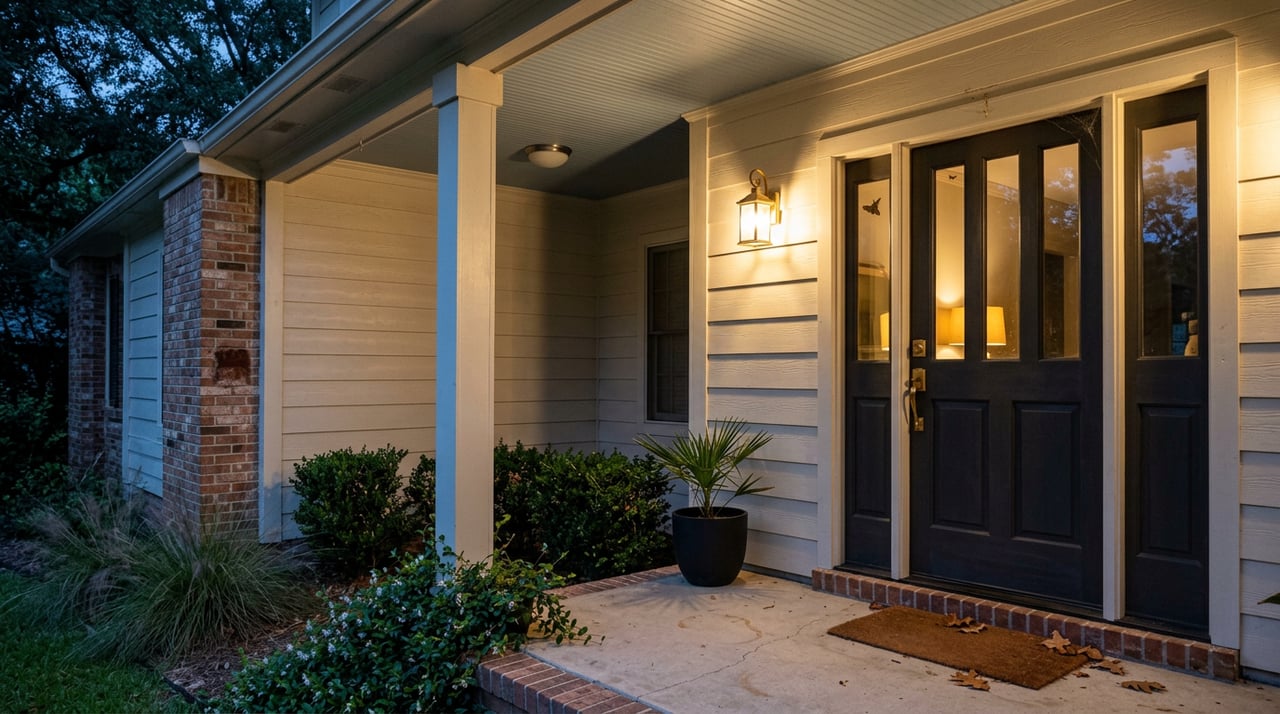
Showcase original features like wood floors, built‑ins, porch details, and period windows. City guidance emphasizes repair over replacement for many historic elements. If you are considering exterior changes, window swaps, or additions, verify Certificate of Appropriateness requirements first. On the presentation side, keep paint light and neutral, style rooms to show flow, and make the front porch feel like an outdoor room with seating and plants.
If you have a newer build or townhome
Lean into function and convenience. Stage to highlight flexible spaces for work or play, showcase storage solutions, and point out smart home features or energy‑efficiency upgrades. Keep staging clean and minimal to match contemporary finishes. If you have off‑street parking, a fenced yard, or a second living space, feature those items prominently in photos and the first two lines of your description.
Staging priorities and budget focus
If you have to prioritize, stage the living room, the primary bedroom, and the kitchen first. In the Heights, also refresh or stage a porch or outdoor sitting area since that lifestyle element is a key draw. For vacant homes, virtual staging can help buyers see scale and use. Always label images that are virtually staged. Decide between light, agent‑led styling or full professional staging based on your home’s needs and budget.
Historic‑district rules that affect your plan
Houston Heights includes three City‑designated historic districts. Exterior changes to contributing buildings, demolitions, significant additions, and many new‑construction proposals inside those districts may require a Certificate of Appropriateness and review by the Houston Archaeological and Historical Commission. Ordinary maintenance is often exempt, but many visible alterations are regulated. To avoid delays or surprises, contact the City of Houston Historic Preservation Office early and confirm what needs approval and how long it may take. If you plan any exterior refresh to improve curb appeal, verify COA needs before you start.
Urban Access can help you identify district boundaries, coordinate with the City’s office, and plan a timeline that fits your listing date. Getting this right protects your sale and keeps closing on track.
Listing strategy and timeline
Pre‑listing inspection. If your home has older systems or visible wear, a pre‑listing inspection lets you fix issues on your schedule and reduce renegotiation risk. Many sellers see better buyer confidence and smoother contracts by tackling repairs before photos.
MLS timing and marketing options. Under NAR’s Clear Cooperation Policy, you must enter a listing in the MLS within one business day of any public marketing unless you choose an allowed exemption. In 2025, NAR also introduced Multiple Listing Options for Sellers that let local MLSs offer office‑exclusive or delayed‑marketing choices with signed seller consent. Decide the best path with your agent, then document it.
Marketing launch plan. Work with your agent on a calendar that includes photo day, MLS activation, broker preview, public open house, and an offer‑review timeline if you plan to set deadlines. For homes with strong yard or lot features, add drone shots.
Your Heights pre‑listing checklist
- Order a CMA tied to your address using a 0.25 to 0.5 mile radius and a 3 to 12 month window, then finalize your initial list‑price range.
- Decide on a pre‑listing inspection if your home is older or shows deferred maintenance. Use the findings to target high‑ROI fixes.
- Confirm whether you are inside a City historic district. If yes, check COA requirements and timing before any exterior work.
- Execute your staging plan. Prioritize the living room, primary bedroom, kitchen, and porch or outdoor sitting area.
- Book pro photography, a measured floor plan, and a 3D tour. Consider drone shots for lots or yards that add value.
- Choose your MLS marketing approach. Document any office‑exclusive or delayed‑marketing choice with your agent.
- Prepare disclosures, past permits, repair receipts, and a short feature sheet for buyers.
- Set showing instructions, open‑house dates, and an offer‑review timeline.
Taxes, exemptions, and net proceeds
Before you set a final price target, confirm your property tax history, assessed value, and any exemptions on file. Check Harris County appraisal and tax resources to verify current records, and make sure your net proceeds estimate includes taxes through closing. If you qualify for homestead or other exemptions, confirm status and timing for any buyer transfer or reapplication.
Ready to sell with a plan
When you price with data, present with intention, and respect historic rules, you create confidence for buyers and a smoother path to closing. That is where a local, financially minded partner makes a difference. If you are considering a sale in the Heights, let’s build your strategy together. Connect with Sharlene Abghary for a custom CMA, staging plan, and listing timeline that fit your goals.
FAQs
How long do homes take to sell in Houston Heights in early 2026?
- Local MLS snapshots in February 2026 showed average days on market near 33 to 34 for Heights/Greater Heights, though your timing will depend on price, condition, and location.
How should I choose comparables for my Heights home?
- Start with closed sales within about 0.25 to 0.5 mile and the last 3 to 12 months, then adjust for condition, size, and features. Expand your search or time window only when similar sales are scarce.
What if my home is inside a Houston Heights historic district?
- Many exterior changes require a Certificate of Appropriateness, so contact the City’s Historic Preservation Office early and confirm what needs review before starting any exterior work.
Do I really need to stage my home?
- Staging helps most buyers visualize a property and often shortens time on market, with the living room, primary bedroom, and kitchen usually offering the highest impact.
Should I get a pre‑listing inspection for an older Heights home?
- If your systems or finishes show age, a pre‑listing inspection can surface issues to fix on your schedule, reduce renegotiation risk, and increase buyer confidence before you hit the market.