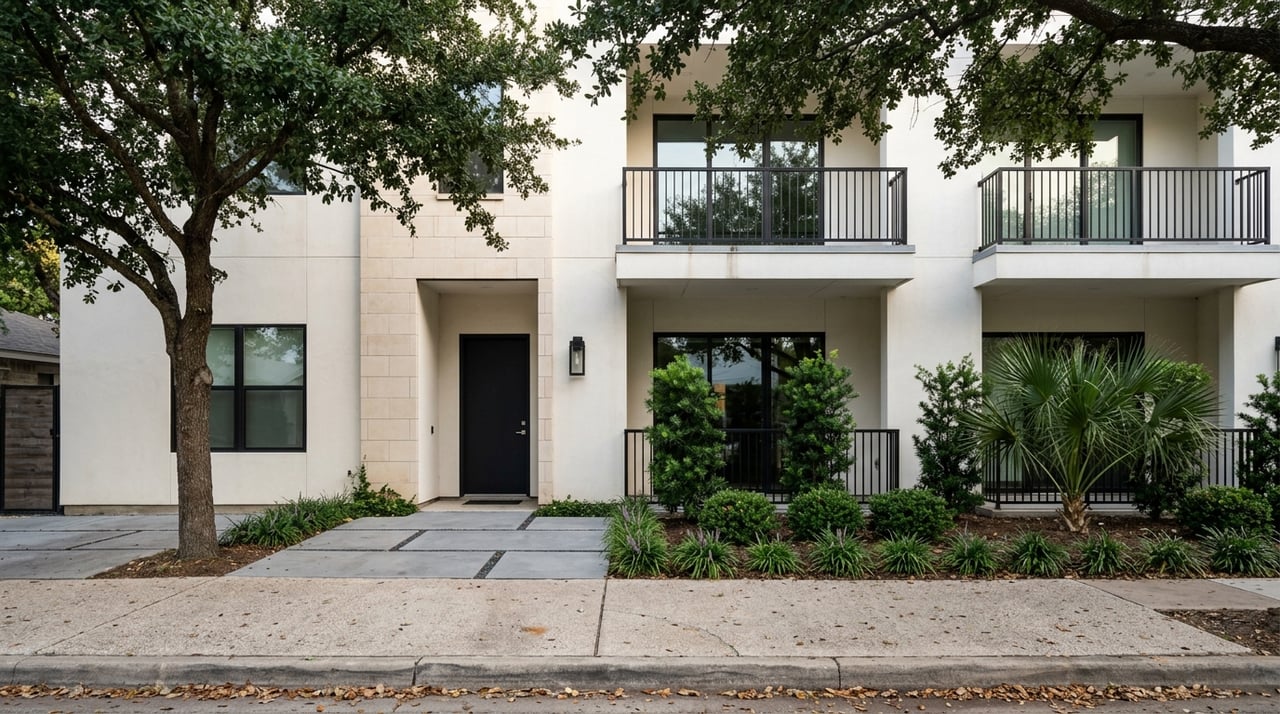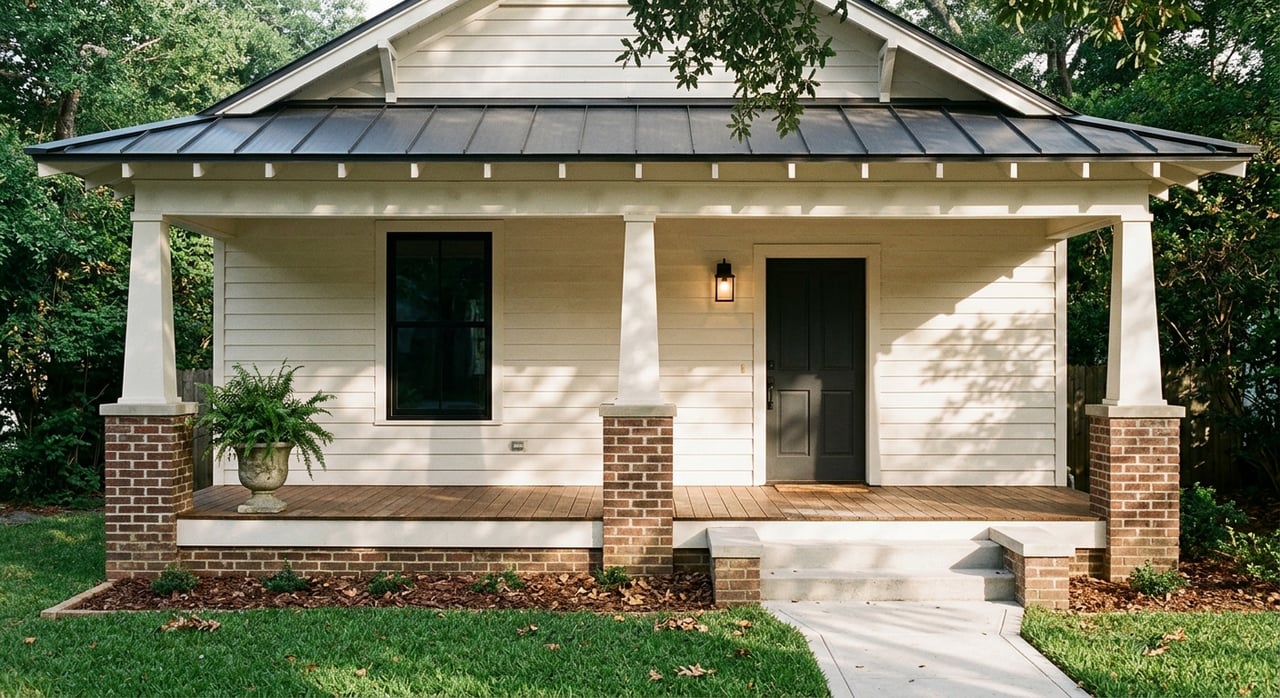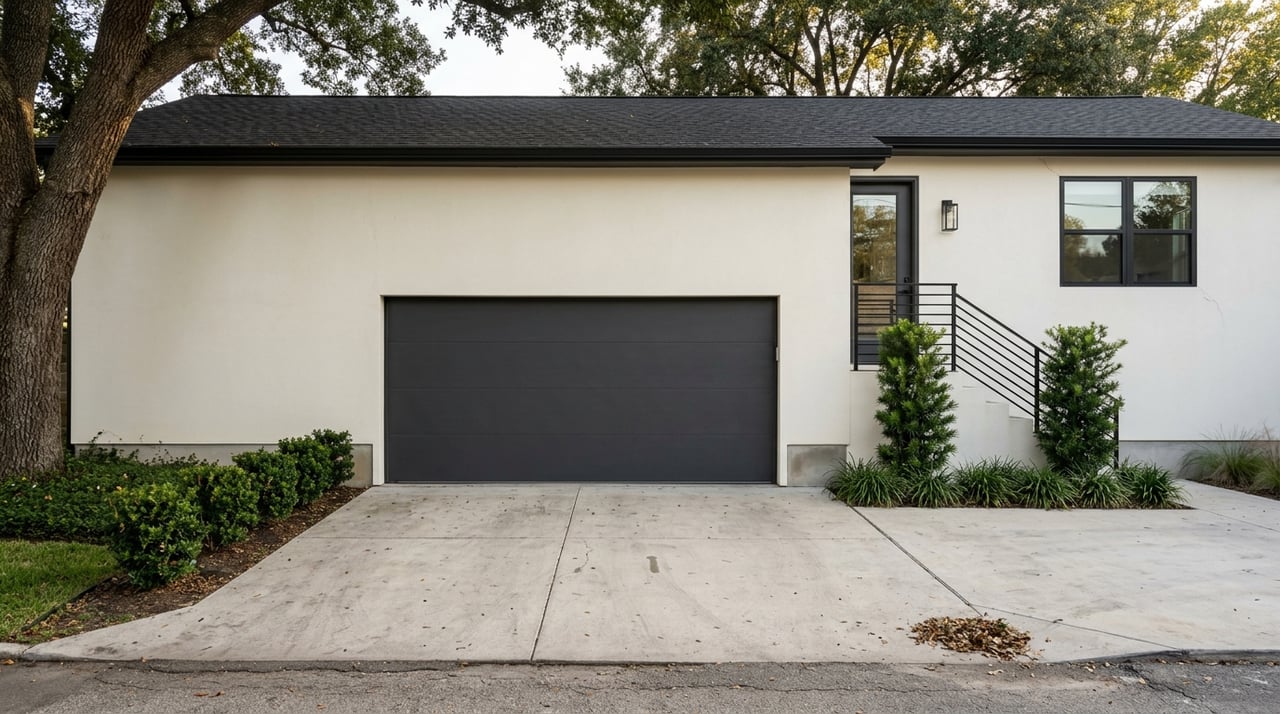
Thinking about a home with a garage apartment in Houston Heights? It can be easy to see the upside right away: extra space, room for guests, possible rental income, or a flexible setup for work or family. But in the Heights, a garage apartment is not just a bonus feature. It is a property detail that deserves careful review before you buy or sell. Let’s dive in.
Why garage apartments stand out
In Houston Heights, garage apartments often appeal to buyers who want flexibility. You might use the space for multigenerational living, guests, a private office, or a long-term rental setup.
That flexibility can make a property more attractive at resale too. Research notes show that accessory living space may support long-term value and can offer independent living space or rental potential when the layout works well.
What counts as a garage apartment
Houston Planning allows some single-family properties to include more than one housing structure. That can include a house with a garage apartment under 900 square feet.
In the Heights design guidance, a property may still be treated as single-family if the secondary structure is no larger than 900 square feet and contains only one living space. If it goes beyond that, the property may be treated differently and could trigger multifamily classification and different building code rules.
Houston Heights rules are lot specific
One of the biggest things to know is that Houston does not use traditional zoning. In the Heights, garage-apartment questions often come down to deed restrictions, subdivision rules, and historic-district review.
That means two homes that look similar on the surface may have very different approval paths. The City says deed restrictions can vary by subdivision, by section, and sometimes even lot by lot, which is why broad assumptions can create problems.
Historic districts can change the process
The Houston Heights includes three City-designated historic districts: West, East, and South. Only part of the broader Heights falls inside those districts, so the exact block matters.
If a property is inside one of those districts, exterior changes and new accessory structures may require a Certificate of Appropriateness. Some rear secondary structures, including certain garage apartments with a footprint of 600 square feet or less, may qualify for Administrative Review, while other projects may go before the Houston Archaeological and Historic Commission.
Even if a Certificate of Appropriateness is not required, a building permit may still be required. That is why permit history matters just as much as the current appearance of the structure.
Placement matters in the Heights
In historic-district design guidance, garages and carports are generally considered more compatible when they sit in the rear half of the lot. The guidance specifically lists a second-story garage apartment as compatible in that context.
The same guidance says attached garages and garages in front of the house are typically considered incompatible. It also notes that front setbacks in the district are often around 15 to 25 feet, which can affect what is realistic on a given lot.
Deed restrictions are a separate check
A common mistake is assuming that a city permit answers every question. It does not. Deed restrictions are separate from city review, and the City states that restrictions can vary widely across the Heights.
If you are buying a property with a garage apartment, you will want to review the title documents and deed restrictions carefully. If the wording is unclear, the City advises owners to turn to a private attorney or title professional for interpretation.
Parking is more important than many buyers expect
Parking can affect both usability and compliance. Houston’s off-street parking ordinance requires sufficient off-street parking for new and redeveloped buildings or tracts, and the city also has a prohibited-yard-parking program.
In practical terms, that means a garage apartment should be reviewed with parking in mind, not just square footage. If you plan to use the space for guests, family, or a tenant, parking location and access can play a big role in how functional the setup really is.
Floodplain status can affect future plans
Floodplain review is another important part of due diligence in Houston Heights. The City’s guidance says that construction in the Special Flood Hazard Area is regulated, and properties in the 100-year or 500-year floodplain require a floodplain development permit.
The City also states that the lowest floor and utilities must be elevated to meet floodplain standards. If you are evaluating an existing garage apartment or thinking about future improvements, this can affect cost, scope, and timeline.
Check the site history before you rely on value
A garage apartment may look polished and functional, but that does not automatically confirm that everything was approved the way you expect. City Planning notes that site plans are reviewed for parking, setbacks, access, and landscaping.
That is why it is smart to review the property survey, permit history, and any prior variance or site-plan review. If a seller markets the unit as rentable or fully legal, you should verify the paper trail before treating it as a clear value-add.
Special lot rules may affect future changes
Some Heights blocks are also covered by Special Minimum Lot Size or Special Minimum Building Line rules. These neighborhood tools can affect future subdivision and front setback requirements.
Existing lots and homes usually stay as they are, but future development plans can still be affected. If you are buying with the idea of expanding, rebuilding, or reworking the accessory structure later, this step matters.
When a garage apartment adds real appeal
The strongest garage apartments are usually the easiest to understand. Buyers often respond well when the space is clearly permitted, well maintained, and thoughtfully laid out.
For rental or extended-family use, the setup is often more appealing when there is a separate entrance, kitchen, and bathroom. Those features support independent living and make the use case clearer for future buyers too.
Best questions to ask before you buy
If you are considering a Houston Heights home with a garage apartment, keep your due diligence focused on both lifestyle and property risk. A few smart questions early on can save time and money later.
Here is a practical checklist:
- Is the property inside the Heights West, East, or South historic district?
- Was the garage apartment permitted, and are records available?
- Is the unit under 900 square feet with only one living space?
- Are there deed restrictions that limit accessory living space?
- Does the lot have adequate off-street parking?
- Is the property in the 100-year or 500-year floodplain?
- Were any variances, site-plan reviews, or approvals required?
- Are there Special Minimum Lot Size or Building Line rules on the block?
What sellers should know too
If you are selling a Heights home with a garage apartment, clarity can make a big difference. Buyers are often excited by the extra space, but they also want confidence around permits, use, and future flexibility.
Gathering surveys, permit records, and any relevant approvals before listing can help your property present more cleanly. It also supports a smoother conversation about value, especially when the garage apartment is a meaningful part of the home’s appeal.
A garage apartment in Houston Heights can be a smart feature, but only when you understand the details behind it. If you want help evaluating a specific property, pricing one for sale, or weighing the lifestyle and investment tradeoffs, Sharlene Abghary can help you make a confident next move.
FAQs
What is considered a garage apartment in Houston Heights?
- A garage apartment is generally a secondary living space on the same property, and Houston Planning notes that a single-family property may include a garage apartment under 900 square feet.
Do Houston Heights garage apartments need historic approval?
- If the property is inside one of the Heights historic districts, exterior changes or new accessory structures may require a Certificate of Appropriateness, depending on the project.
Can a garage apartment affect single-family classification in Houston Heights?
- Yes. Heights design guidance says the secondary structure generally needs to be no more than 900 square feet and contain only one living space to remain within single-family treatment.
Should you check deed restrictions for a Houston Heights garage apartment?
- Yes. The City says deed restrictions can vary by subdivision, section, or even lot, so they should be reviewed separately from city permitting.
Why does parking matter for a Houston Heights garage apartment?
- Parking matters because Houston reviews off-street parking requirements for new and redeveloped buildings or tracts, and parking layout can affect everyday function as well.
Do floodplain rules matter for garage apartments in Houston Heights?
- Yes. Properties in the 100-year or 500-year floodplain may require a floodplain development permit, and elevation standards can affect future work.
What should buyers review before purchasing a Houston Heights home with a garage apartment?
- Buyers should review the survey, permit history, deed restrictions, parking setup, floodplain status, and any historic-district or site-plan approvals tied to the property.