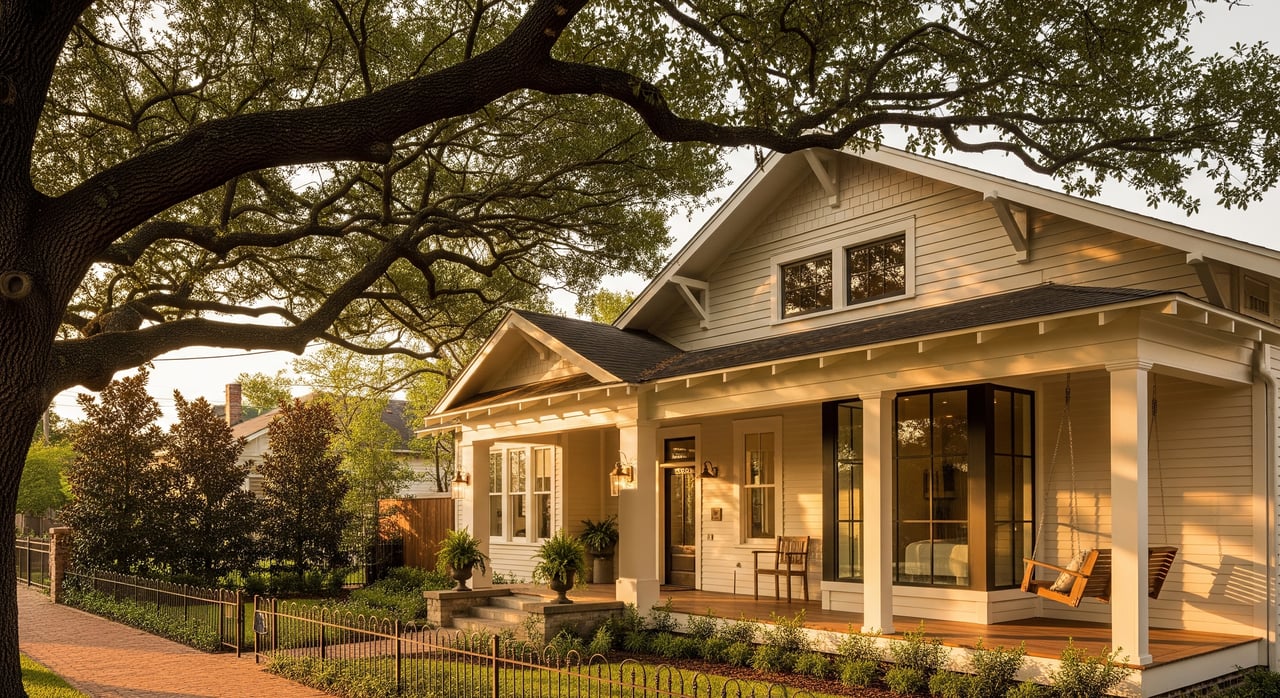
What if your weekend coffee, bike ride, and dinner out were steps from your front porch? If you are picturing tree-lined streets, classic porches, and a lively main street, Houston Heights might be a fit. In this guide, you will learn how the neighborhood feels day to day, what types of homes you will find, and how to think about commute, schools, and flood risk. Let’s dive in.
History and neighborhood feel
Houston Heights began as a late 19th-century streetcar suburb and was annexed by the City of Houston in 1918. You still see that early plan in the boulevard streets, front porches, and compact commercial pockets.
Today, the area blends preserved historic cottages with contemporary infill. Along 19th Street, you find independent restaurants, coffee shops, and boutiques that support a neighborhood feel. The mix of young professionals, families, long-time residents, and creative entrepreneurs gives the Heights an active but relaxed pace.
Historic character varies by block. Some streets sit inside local historic districts that guide exterior changes. Others allow larger rebuilds and townhomes. If consistent streetscapes matter to you, confirm whether a home is inside a locally regulated historic district before you write an offer.
Homes and architecture
Typical home types
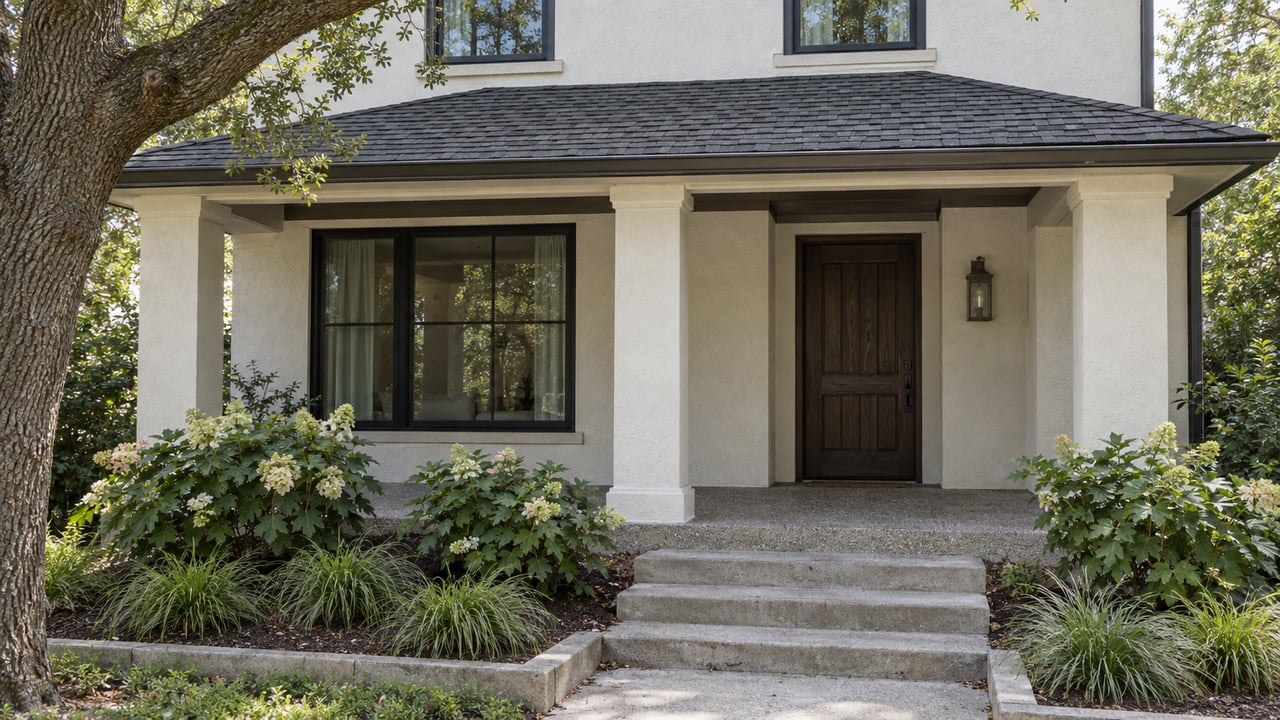
- Historic bungalows and craftsman cottages with inviting front porches
- Victorian and cottage-style homes in smaller historic pockets
- Mid-century and other masonry houses on select blocks
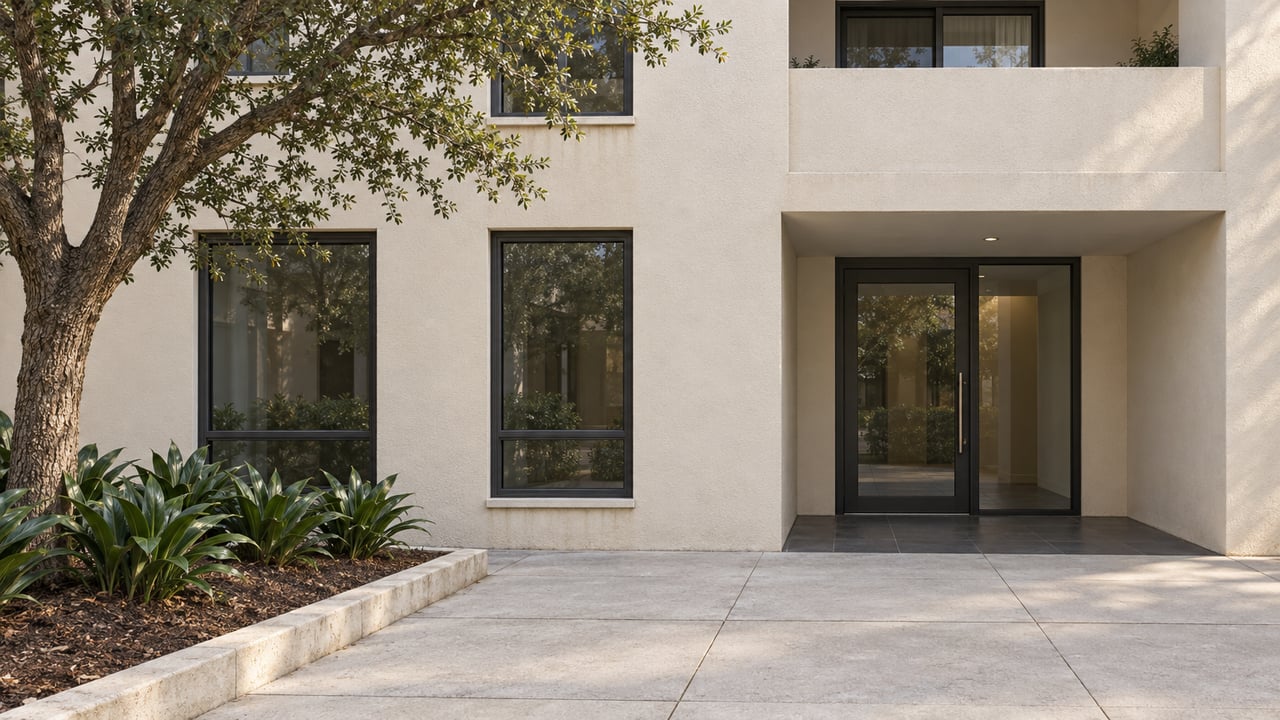
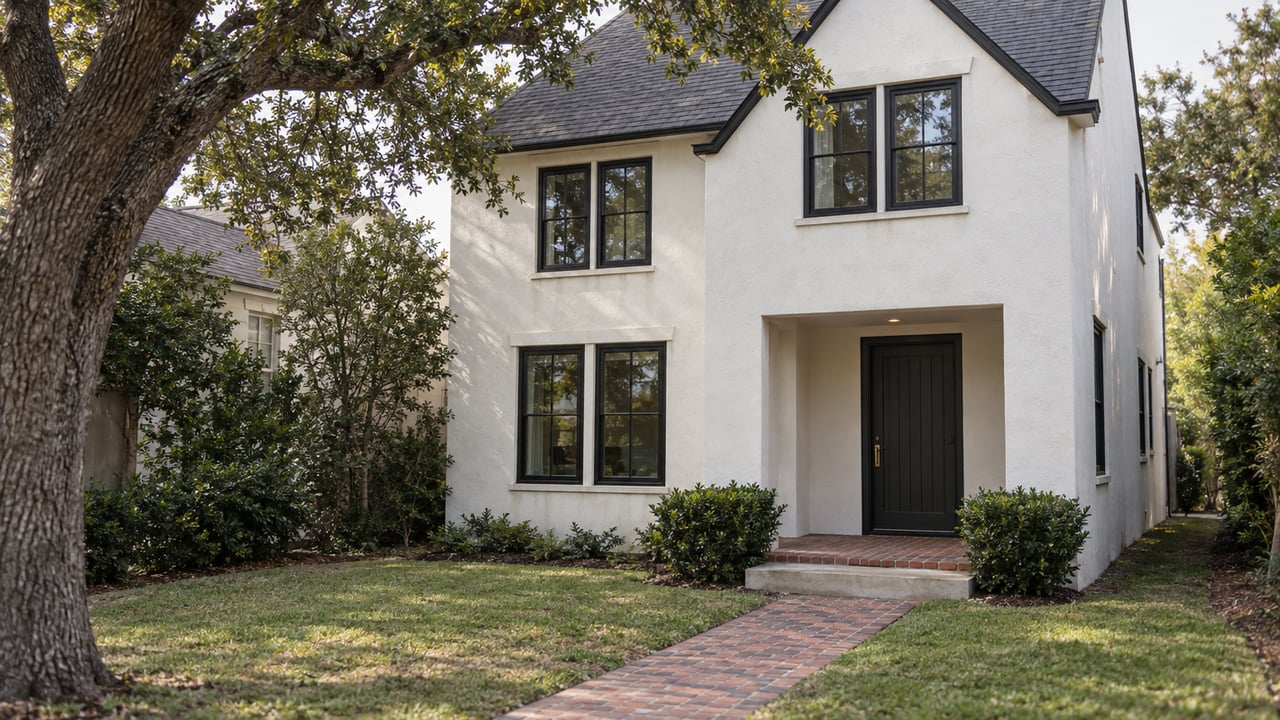
- Townhomes and modern single-family rebuilds from the last 15–20 years
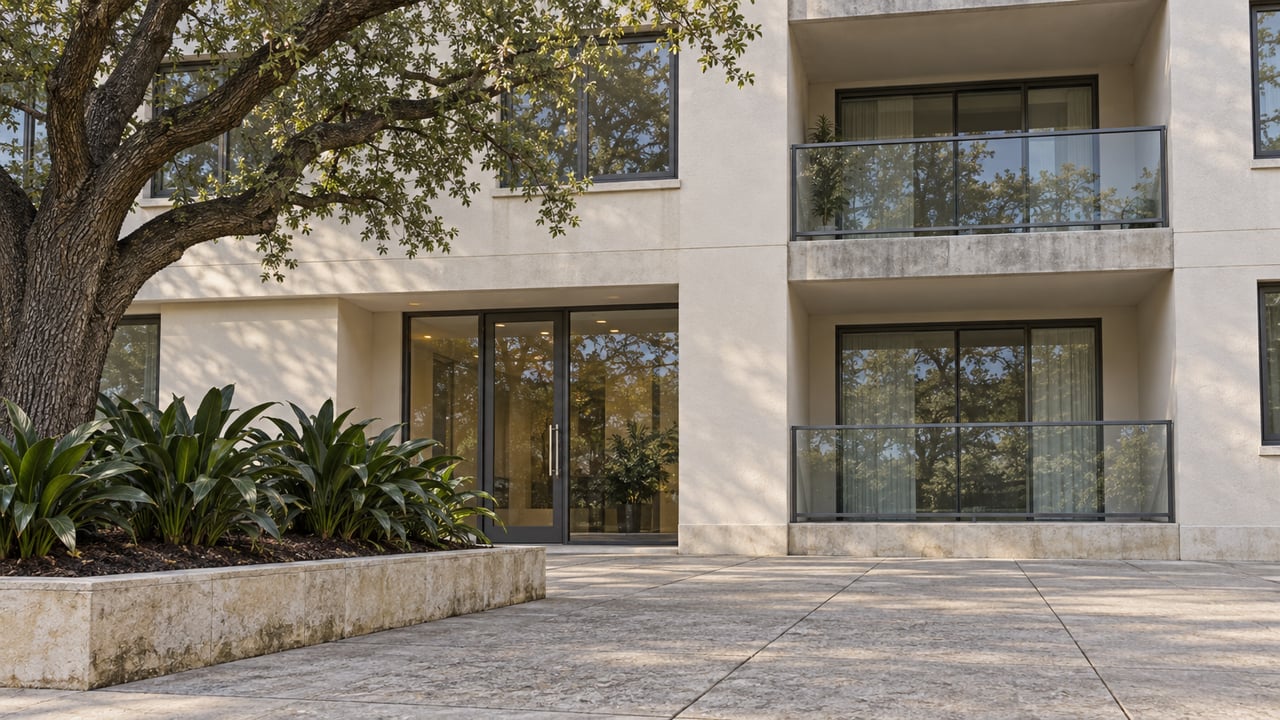
- Small apartments and converted properties near commercial corridors
Lots and density
Lot sizes vary widely. Older blocks often have 40–50 foot lot widths, while others support larger single-family builds. Infill and townhouse construction is more common near commercial areas, which increases density and walkability.
Renovation or new build
Older homes can offer charm, but plan for modernization. Many have pier-and-beam foundations and may need updated electrical, plumbing, or HVAC. Newer builds and townhomes often deliver modern systems and finishes, but you may trade yard size for convenience. Some townhomes include an HOA or shared maintenance, so review fees, rules, and reserve practices.
Lifestyle and amenities
Dining and shopping
The 19th Street corridor anchors the area with independent eateries, coffee spots, and boutiques. You will also find small mixed-use nodes across the neighborhood, which keeps daily errands close and casual.
Parks and trails
You can access neighborhood parks, boulevards, and the White Oak Bayou corridor with hike and bike trails that connect to nearby job centers and green spaces. Many businesses welcome dogs, and you will see plenty of residents out with pets.
Walkability and events
Walkability in core blocks is above Houston’s average. Depending on where you live, you can walk to restaurants, cafes, shops, and parks. Community events, farmers markets, and seasonal gatherings add to the neighborhood identity. Check current calendars for specific dates and locations.
Getting around
Commute and transit
The Heights sits close to downtown. Typical drives to downtown range from about 5 to 20 minutes depending on your exact address, time of day, and traffic. The area is served by METRO bus routes. Most of the Heights does not have light rail within the neighborhood, so confirm current routes if transit is part of your plan.
Biking and walking
Bike infrastructure continues to improve. The hike and bike network connects the Heights to other inner-loop spots, which makes cycling a practical option for some commutes and weekend outings. Sidewalk quality varies by block, so preview your daily routes.
Schools and childcare
Public school zones in the Heights are primarily within Houston ISD, but attendance zones change block by block. You also have private and charter options nearby. For the most accurate picture, verify school assignments and review recent reports directly with the district and individual schools. If schools are a top priority, visit campuses and compare several blocks before choosing a home.
Safety and flood risk
Crime in Houston varies by block and by time. Review multi-year patterns using official crime maps, and speak with neighbors or local watch groups for context.
Flooding is a key consideration across Houston. Some parts of the Heights are closer to bayous or lie in designated floodplains, while others sit on higher ground. Always check FEMA flood maps, Harris County Flood Control data, a property’s elevation certificate, and any flood history. Factor flood insurance and potential mitigation into your total cost of ownership.
How to choose your block
Use a simple, repeatable process to compare options:
- Visit at different times: weekday rush, evening, and weekend.
- Walk the immediate block to judge sidewalks, lighting, and noise.
- Confirm if the property is inside a local historic district.
- Check parking, garage access, and driveway practicality.
- Review flood exposure, drainage, and recent storm performance.
- If considering a townhouse, review HOA rules, fees, and reserves.
- Estimate renovation needs and costs for older homes.
A smart path to buying in the Heights
Buying here balances lifestyle and long-term value. Start by clarifying your non-negotiables, like yard size, walkability, or space for future work-from-home needs. Then, weigh renovation against newer construction and compare the total cost of ownership, including utilities, insurance, and potential HOA fees.
Urban Access Properties brings a neighborhood-first, investment-minded approach to help you make a confident decision. You get clear guidance on micro-locations, property condition, historic overlays, and flood exposure, plus step-by-step support from search to closing. Ready to explore homes in the Heights? Connect with Sharlene Abghary to schedule a free consultation.
FAQs
How far is Houston Heights from downtown Houston?
- The Heights is adjacent to downtown, with typical drives of about 5 to 20 minutes depending on your exact location, traffic, and time of day.
What types of homes are common in Houston Heights?
- You will find historic bungalows and cottages, mid-century homes, modern single-family rebuilds, and townhomes, plus small apartments near commercial corridors.
Is Houston Heights walkable for daily errands?
- Walkability is above Houston’s average in core blocks, especially near 19th Street and other retail pockets, but it varies by exact address.
Does Houston Heights flood?
- Flood risk varies by block; confirm FEMA maps, Harris County Flood Control data, elevation certificates, and any property flood history before you buy.
Which schools serve Houston Heights addresses?
- Most addresses fall within Houston ISD, but zoning changes block by block; verify assignments directly with the district and visit schools for current context.
Are there historic restrictions on homes in the Heights?
- Some streets sit inside local historic districts that guide exterior changes, while others allow more flexibility; confirm a property’s status before making plans.
How competitive is the housing market in the Heights?
- The Heights is typically in high demand inside the loop, and well-located or well-preserved homes can draw strong interest, especially when inventory is tight.